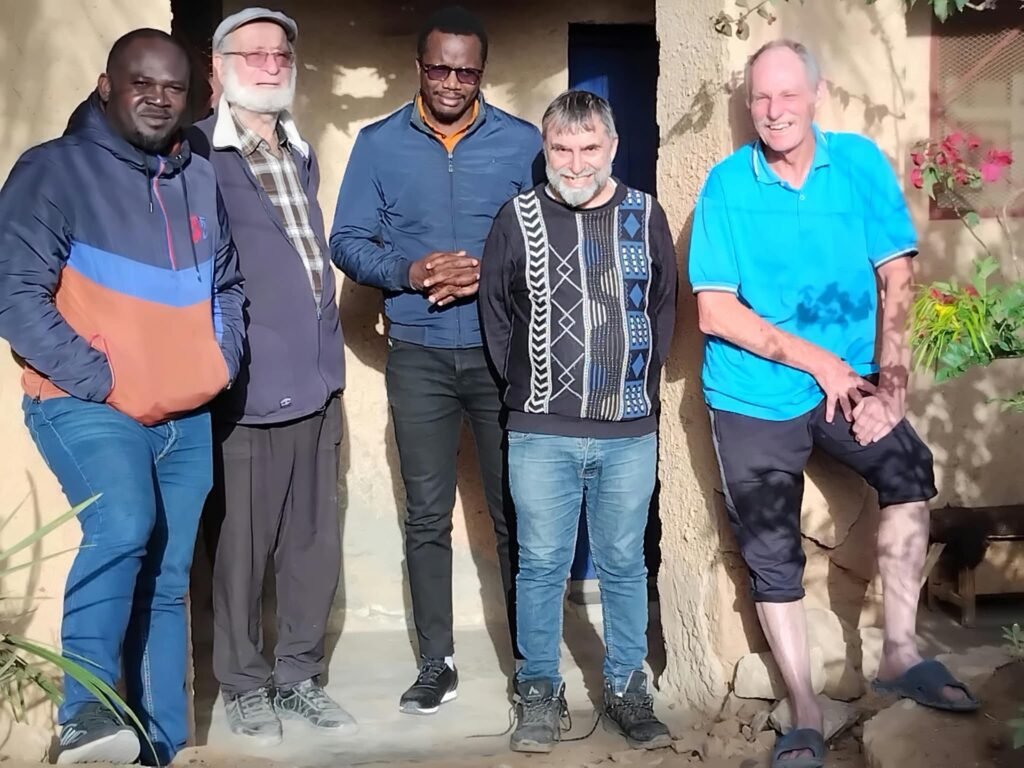
There are five of them, from Cameroon, Nigeria and France, living the Spiritan mission in the Diocese of Oran, in north-western Algeria. Fr. Jean-Marc Bertrand, C.S.Sp., brings us news of a discreet but active presence in a land of Islam: hospitality, education, accompaniment of students and prisoners, and the dialogue of life with Muslims.
Five Spiritans in the Diocese of Oran
We are five Spiritans in Algeria, in the Diocese of Oran, in the north-west of the country, one of Algeria’s four dioceses.
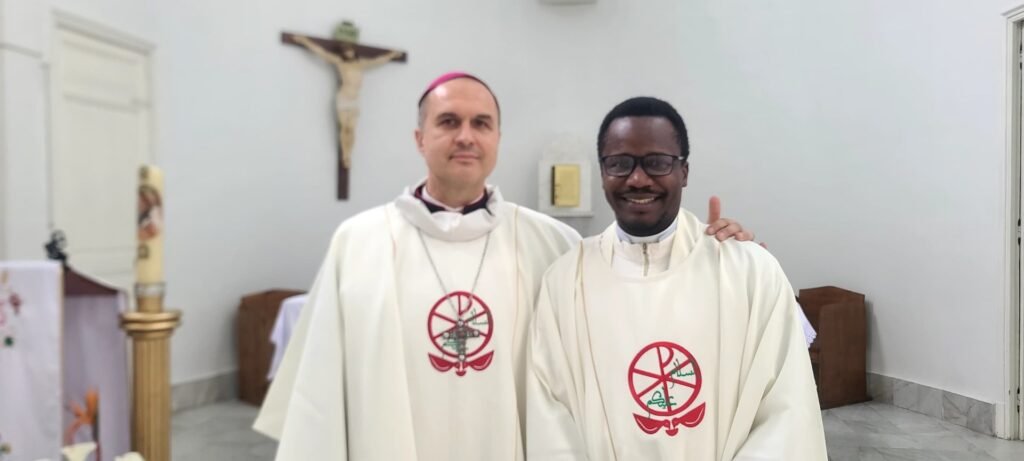
Cyrille Hervé Akamba, a Cameroonian confrere who arrived at the beginning of 2026, and Henry Chimezie Osuji, a Nigerian confrere who arrived in Algeria ten years ago: these are the two confreres who came after completing their initial formation. Then there are three French confreres: Michel Crestin, who arrived eleven years ago after his years of apostolate in Mauritius, Madagascar and France; Jean-Marc Bertrand, in Algeria for fourteen years (after the Indian Ocean and La Réunion); and the eldest, Raymond Gonnet, who arrived in Algeria in the mid-1960s. We are expecting an Irish confrere, but obtaining visas for Algeria is very difficult… Still, we live in hope!
Raymond Gonnet, from Mascara to Béni Abbès
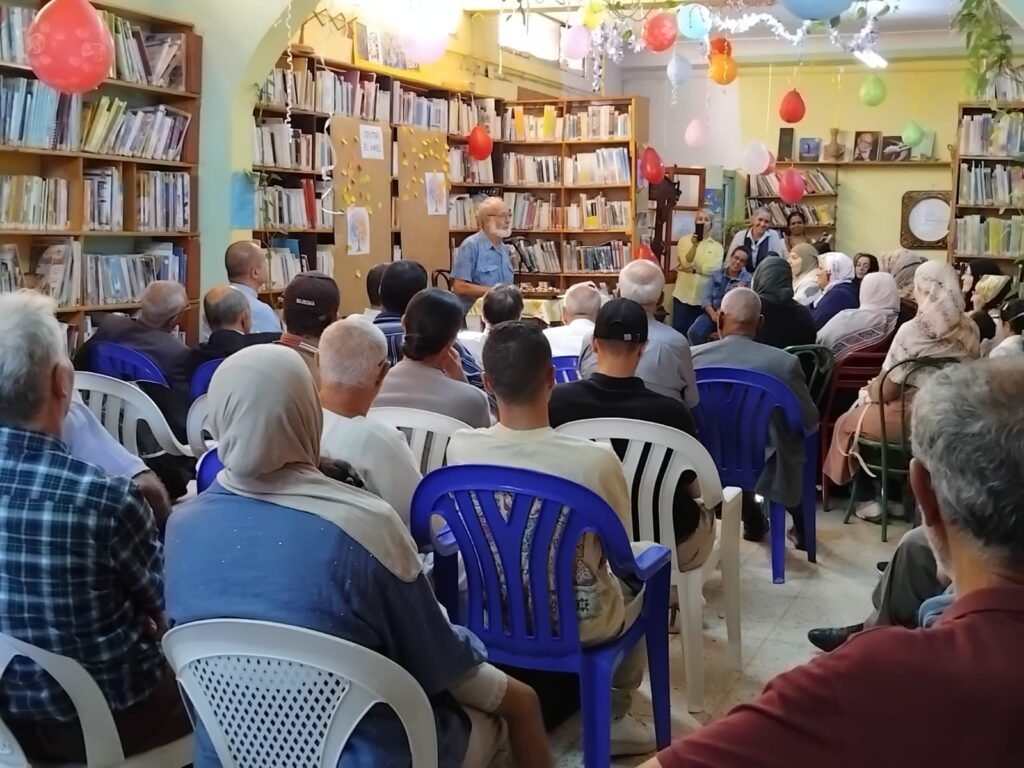
Yes, Raymond Gonnet (83) is our elder and our “mentor”! Last year, two days of gatherings and celebrations marked the thirtieth anniversary of the centre he founded in the town of Mascara (Diocese of Oran). After his beginnings in the educational work of Misserghin, near Oran, after more than ten years working with associations serving abandoned and disabled children in Oran, and after a short spell in Sidi Bel Abbès, it was in Mascara, at the beginning of the 1990s, as the country was sinking into terrorism, that Raymond opened, on a site where there was already a chapel, a library and a centre for training activities for women — a centre he named “Espoir” (Hope)! Last October, the Algerian press paid tribute to his thirty years of service to the encounter between Christians and Muslims through daily life, help to the poor, the activities of the centre, and fraternal relations with neighbours and with Muslim sages…
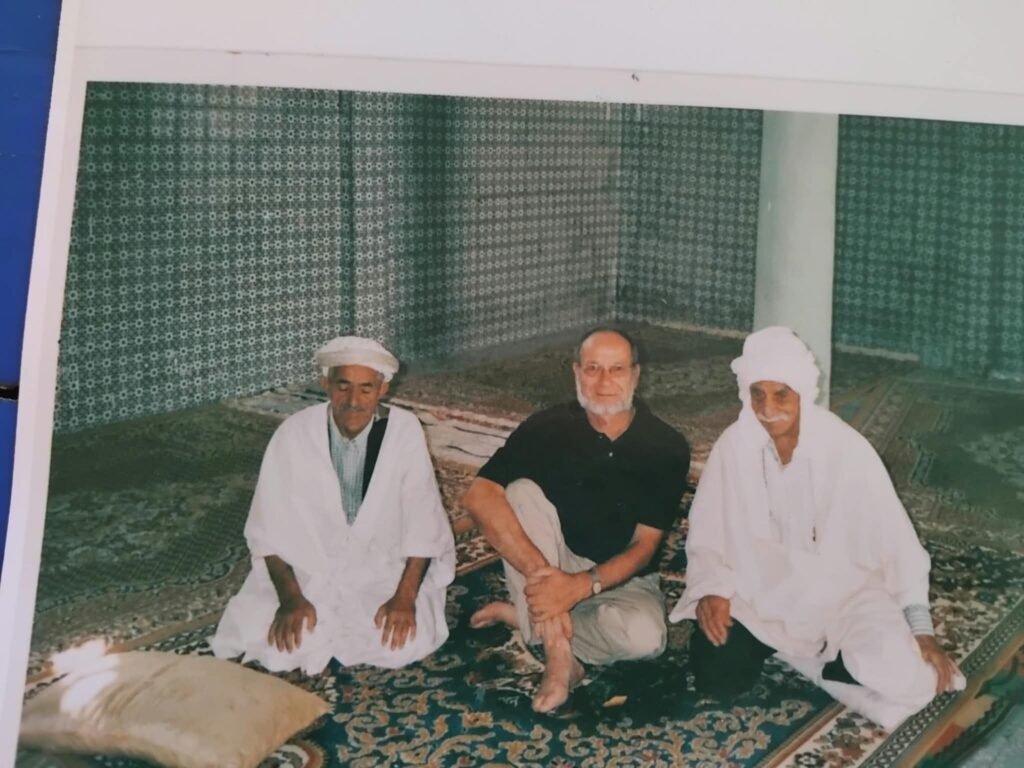
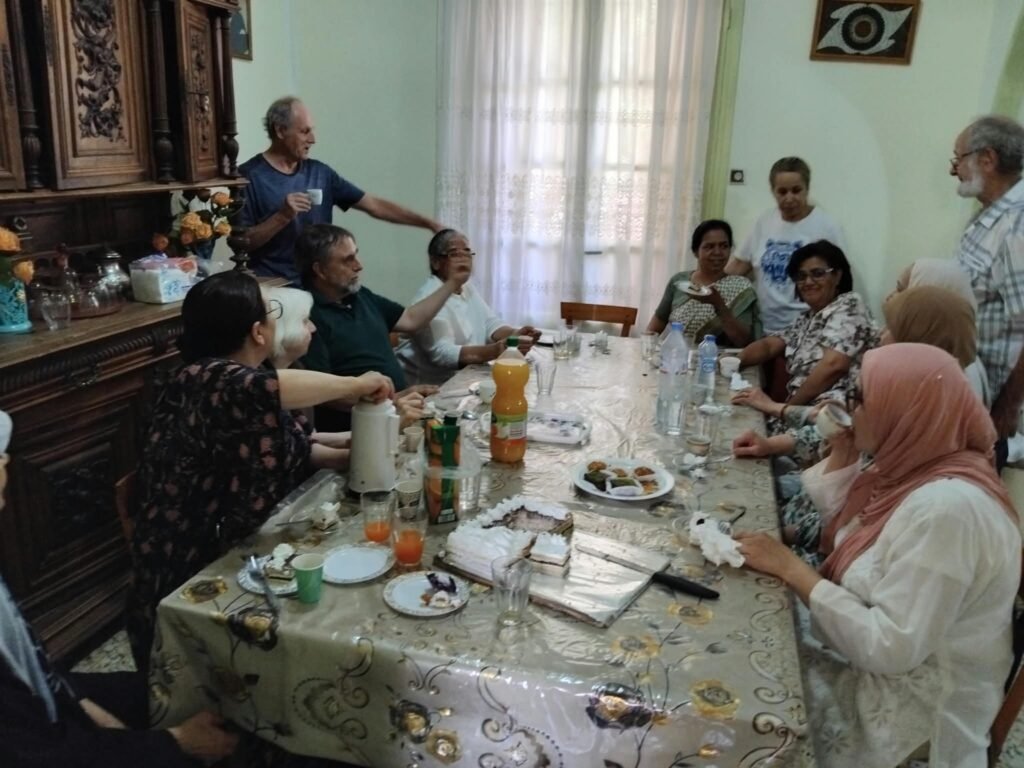
But far from resting on his laurels, Raymond, after personal and community discernment, volunteered two years ago to leave Mascara and go far into the Algerian south, a thousand kilometres away, to take over from three Brothers of Foucauld who had become too old and tired, in the village of Béni Abbès. It was there that Charles de Foucauld stayed and built the chapel that still stands today. For Raymond, answering this call meant accepting to “make all things new”, to go where the Church struggles to find labourers for the mission.
Raymond’s apostolate is based on welcoming a great many tourists, depending on the month and the holiday season: Algerians from Algeria, Algerians living abroad, foreign tourists and Christian pilgrims. Whether they come as families or on tour buses, they are welcomed by Raymond who, with two other non-Spiritan religious, talks and listens… and sometimes the tourist turns out to be a seeker of God, sometimes a Christian pilgrim. For it is possible to come there for retreats!
Sidi Bel Abbès: a parish of sub-Saharan students
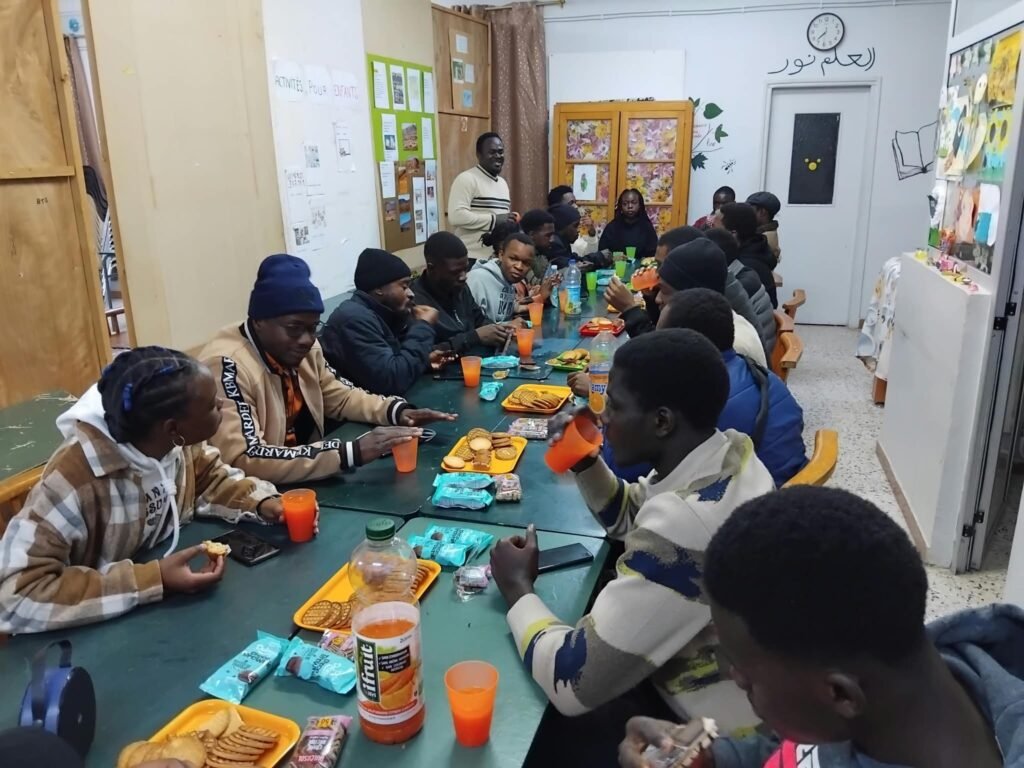
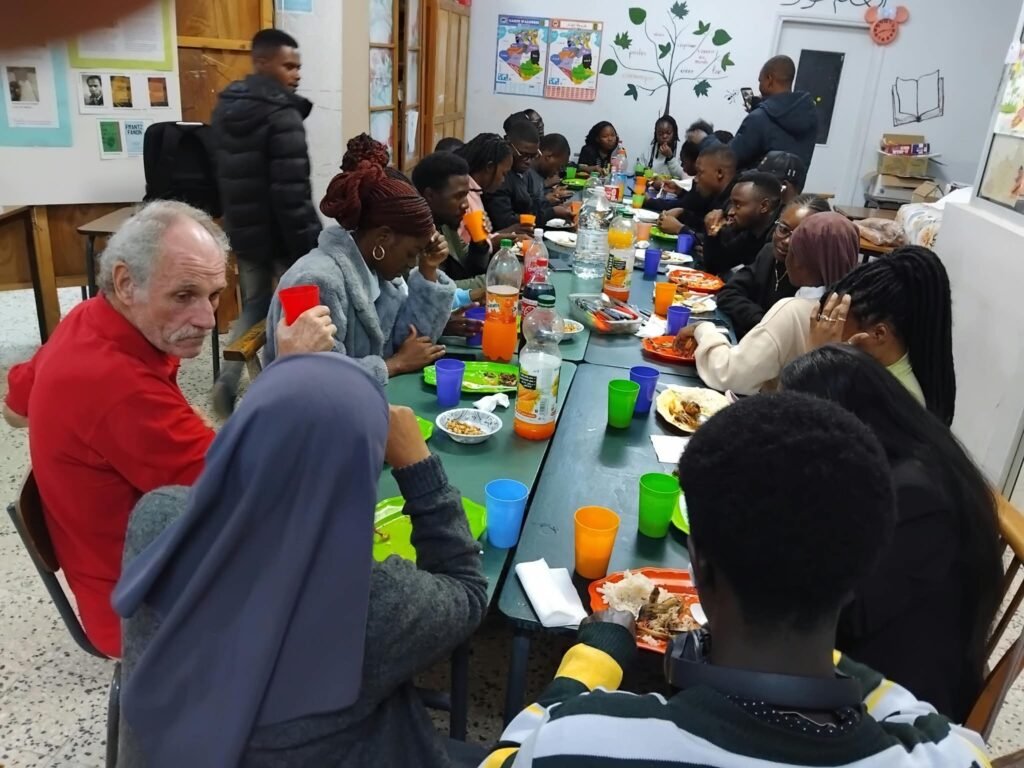
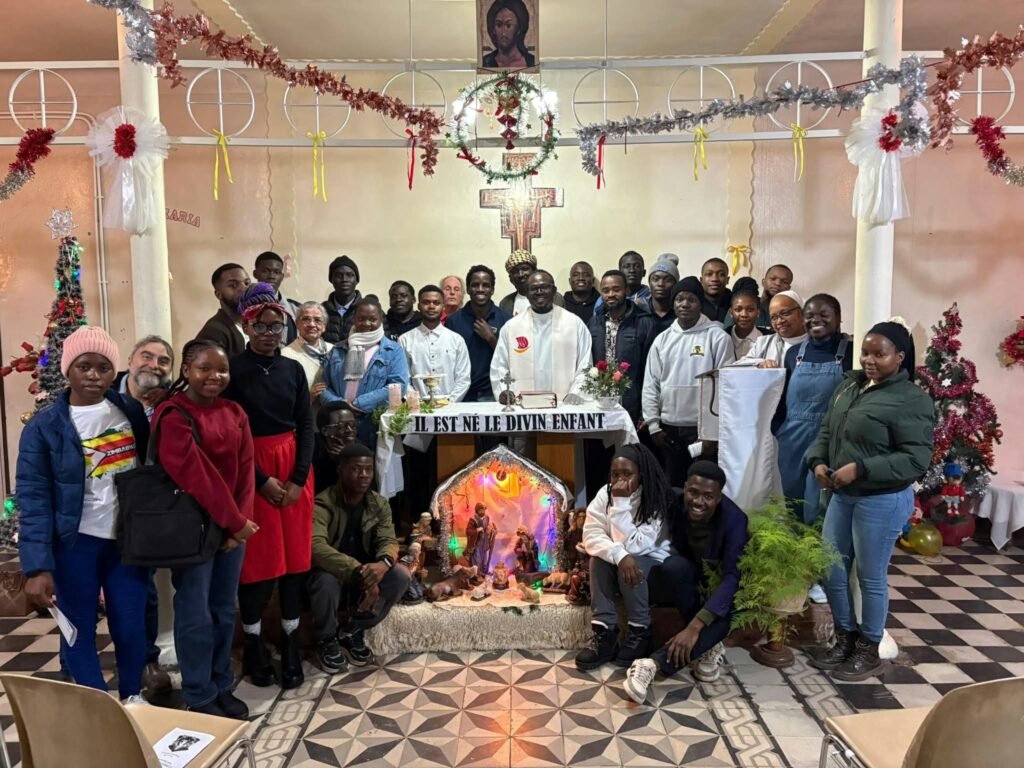
The other four confreres are based in Sidi Bel Abbès which, like many other Algerian cities, has a well-developed university: around 25,000 students (almost 10% of the population!), including some 220 foreign students from sub-Saharan Africa. It is among these sub-Saharan students, increasingly from English-speaking countries, that “our” parishioners are found: about thirty this year, mostly from Zimbabwe, Uganda, Burundi, the DRC and elsewhere. A few are Catholics, but many of these Christians come from various Protestant or Evangelical Churches, and all of them gather in our Catholic parish. Together with them, we live ecumenism.
Our Nigerian confrere, Fr. Henry Chimezie Osuji, is the parish priest of our parish in Sidi Bel Abbès and is also responsible for student chaplaincy in the Diocese of Oran. This apostolate seems important to us: on the one hand for its ecumenical dimension, and on the other for the task of Christian accompaniment of these young people aged 20 to 26, far from home, in an Algerian context very different from that of their countries of origin. For example, they are surprised to see that here, Muslim–Christian mixed families practically do not exist. Sometimes they do not feel very welcome among the population but, stronger than this discomfort, friendships do grow — and so much the better! In addition to weekly prayer and Mass on Friday afternoons (the weekend here), diocesan gatherings are offered to them during the year and especially in the summer. Our confrere Henry is very active in them.
A centre open to children, young people and women
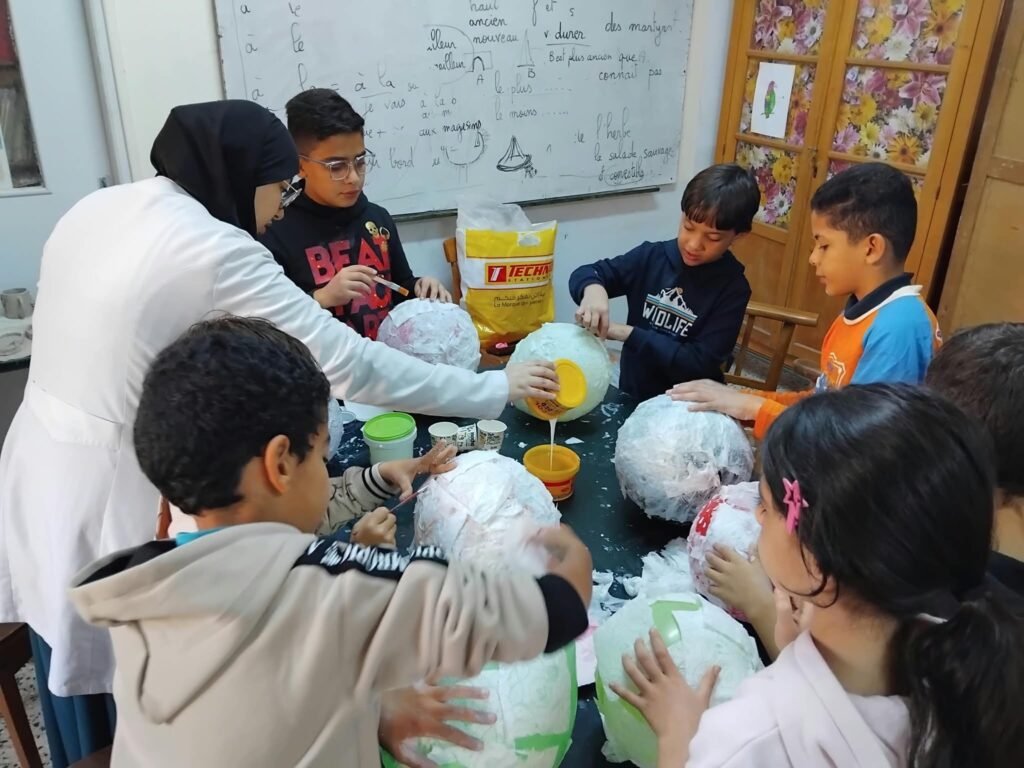
Brother Michel Crestin, who came to Algeria at the age of 62 (after Mauritius, Madagascar and France), devotes himself energetically to the life of our centre, especially by teaching French to adults and by bringing his educational and sporting experience to our recreational activities with children. For while we organise tutoring sessions, especially to help with learning French and English, we also try to offer other educational and fun activities for children. Michel, a keen sportsman, keeps up his bike rides and long runs: another way of meeting the people of Sidi Bel Abbès.
We also continue to organise “literary cafés” and “discussion groups” in English and French for adults, especially young adults (university students, trainees or young professionals). Henry runs the “English Club”, Michel the French literary café: interesting meetings that allow Algerians to come together in these much-appreciated spaces of cultural openness. Offering spaces of cultural openness is one of our motivations for proposing certain activities in a country that needs them so much!
Jean-Marc Bertrand manages the “library centre”: organising tutoring sessions for children, courses for adults and some cultural activities. He also teaches some French tutoring classes himself. For this, six young Algerian Muslim teachers from the town work with us, and we strive to live relationships of complementarity in this teaching task, while promoting a fraternal living together.
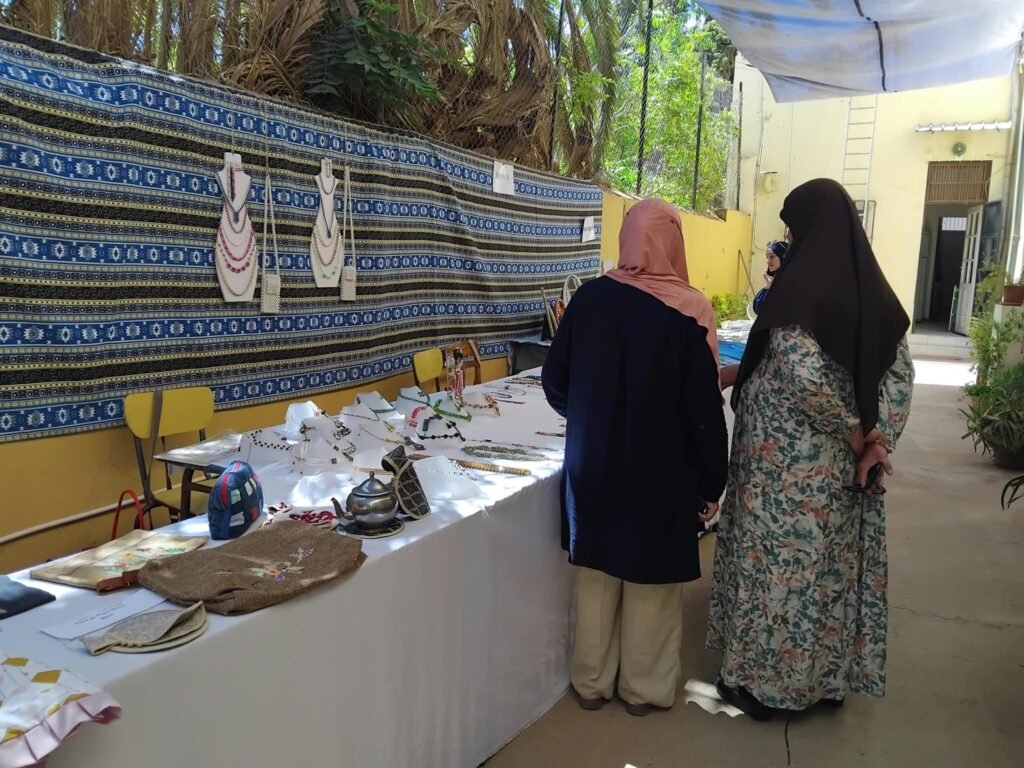
We have with us two Salesian Sisters (Josita, from India, and Bernadette, from Madagascar), with whom we share the two daily prayers, and who manage and organise the activities with women. With the collaboration of Algerian Muslim instructors from the town, they run training courses (sewing and others) and also welcome women for times of listening.
Fr. Cyrille Hervé Akamba, who joined us at the beginning of 2026, has just begun a nine-month course in Algerian colloquial Arabic in Algiers, 500 km east of Sidi Bel Abbès. The few months he has already spent in Algeria have allowed him to begin getting to know the life of the country and of the Church: very particular realities that call for quite a lot of adaptation and “stepping out”; but that is part of our life as missionaries!
A Church of migrants, students and prisoners
The Church’s permanent personnel here are almost all foreign religious men and women, priests and consecrated persons, from Europe, Africa and Asia. And most Christians are sub-Saharan students. “Migrants” (a good number of whom are Christians) are fewer and fewer, partly because of precarious living conditions, but also because of the growing insecurity of which they are sometimes victims. Of course, the plans and living conditions of these “migrants” from sub-Saharan countries are chaotic, often marked by violence, exploitation and deaths in the deserts or in the Mediterranean, yet driven by the hope of a better life for themselves and of helping their families back home…
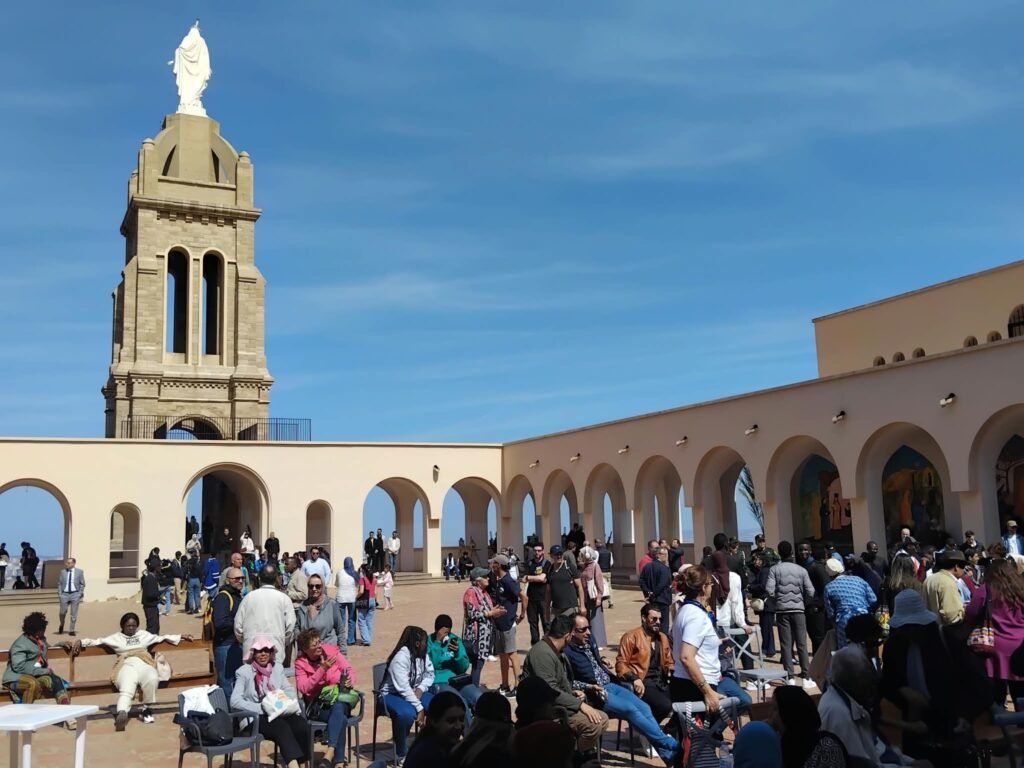
The Algerian State allows us to visit Christian prisoners. This enables us to accompany a few detained “migrants” in a setting where they must be courageous and patient, and our visits also bear witness to their Christian belonging: another way of living a strong witness. Our relations with the prison staff are good.
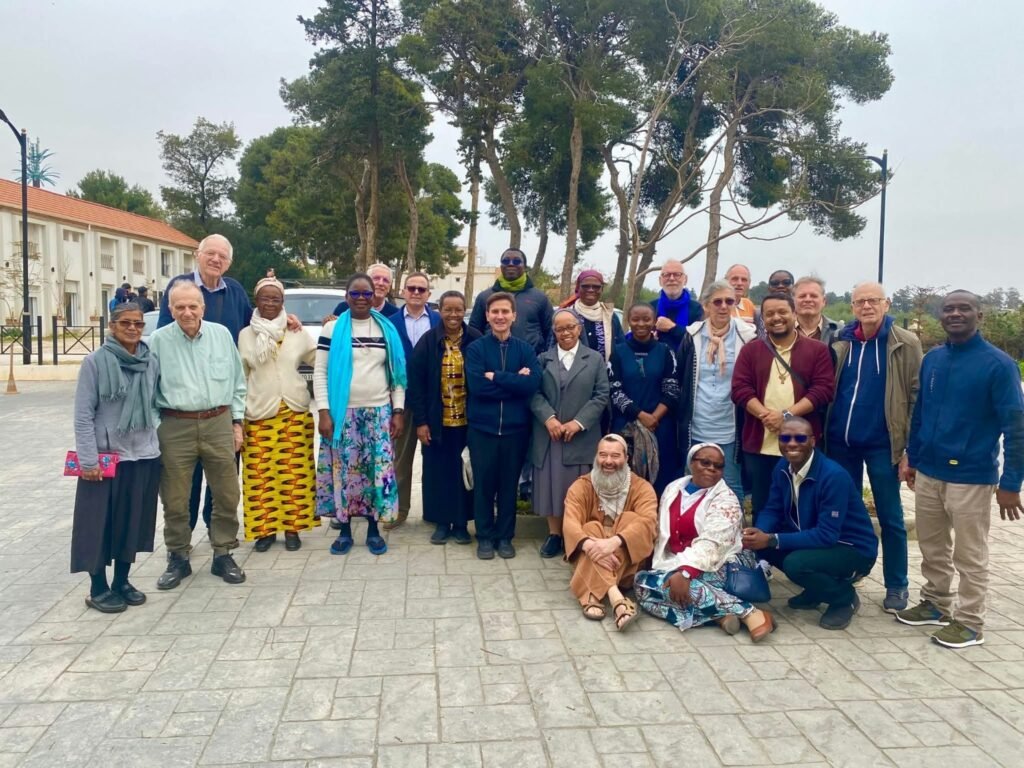
Muslim–Christian dialogue at the heart of our mission
We also have specific meetings for Muslim–Christian dialogue. These are moments of spiritual exchange in which we listen to one another: learning from each other, respecting one another and welcoming each other’s spiritual riches. At these meetings we are not very many, and they do not happen every day! But this, too, grounds our motivation for the apostolate here in Algeria. In a world where religious differences are sometimes sources of division, separation, conflict and manipulation, these small realities we live are small signs that another logic is possible.
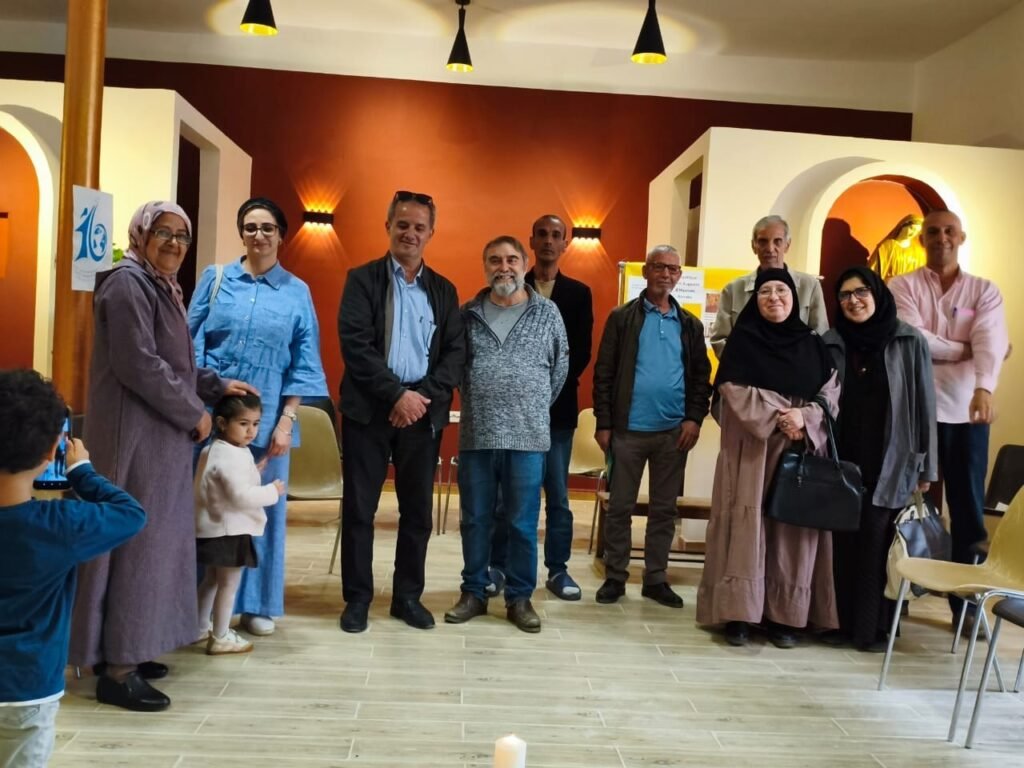
Our immersed presence in this country of Muslim tradition is therefore an active one. The various activities we organise are meant to serve the Algerian Muslim population, especially those who struggle to find their place (women, the poor, etc.), and to serve education and openness to cultural diversity. In a very modest way, this contributes to integral human development. We try to offer people spaces of freedom and trust. These “works” are also “means”, “instruments” for being in relationship with the population, and so they make encounter possible. In Algeria, the Church is the Church of encounter and service.
We also have a role of witness as believers and people of prayer (the prayer of the religious). We therefore consider our religious community life to be vital (commitment, sign and source) for ourselves and for our apostolate. We also take part in accompanying Christian students, Christian prisoners and Christian communities in all their diversity and in an ecumenical spirit.
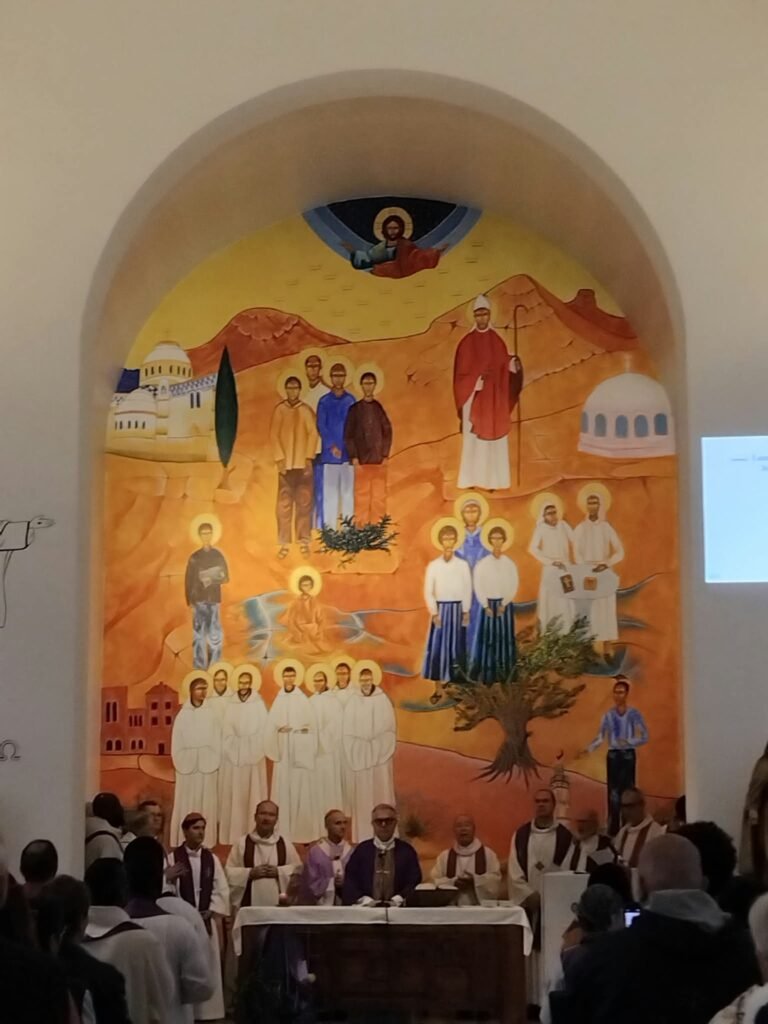
Our way of living Muslim–Christian interreligious dialogue is mainly through the dialogue of life, through collaboration between ourselves and Algerian Muslims in shared work and community associations; but also through close relationships with Muslims for whom encounter, mutual knowledge, dialogue and respect are to be promoted, so as to bring to life a human fraternity that our world needs, and thus prove wrong those who invoke religions as sources of opposition.
The clementine, a Spiritan invention
Let us end this overview of the Spiritans in Algeria with an agricultural note: as Spiritans, let us not hesitate to be proud of being at the origin of the “clementine”, created at the beginning of the 20th century by Brother Clément at the educational and training work of Misserghin, 20 km from Oran, where Raymond Gonnet began his Spiritan apostolate with other confreres in the 1960s (a centre where the Spiritans have no longer been present since its nationalisation in 1975–1976).
A look at Algeria today
Other aspects of life in Algeria: the announcement of major projects to “boost” the country which, since 2002, has generally lived in calm and security for its citizens. Even if not everything is easy, this is an important point to underline.
Algeria traditionally has a large agricultural sector: wheat, olives, fruit trees and market gardening, as well as the manufacture of agricultural machinery. In the south of the country, thanks to new technologies that make it possible to draw water from beneath the desert, vast farms and livestock areas are already in operation, with a view to food self-sufficiency.
Industry is also called to find new momentum, for example in household appliances, with the hope of being able to export more.
Many new neighbourhoods are springing up to meet the very strong demand for housing in a society that still has a great many young people. The needs for water (in this semi-arid country), gas and electricity are immense; it is therefore no surprise that Algeria is building more and more seawater desalination plants, and that companies manufacturing pipes, pipelines and other means of transporting all kinds of energy are flourishing. Solar energy zones are multiplying. Between cities the roads are good and, with the advantage of being a major gas- and oil-producing country, fuel prices remain fairly low. The import of new vehicles is restricted and very limited: for the past three years, almost the only new cars on the road have been FIATs.
Thanks to the nationalisation of its energy resources after independence, especially gas and oil, Algeria manages its own production and exports, with a current trend favouring Italy, which is somewhat taking the place of France. Together with solar energy, the production of “green” hydrogen is announced as a future profitable export to Italy, Austria and Germany. Iron and phosphate mining are also assets for export. The Algeria–Nigeria axis (railway, gas pipeline) remains an encouraged and promising project.
A new stage for the Spiritan presence
Officially, at the level of the Congregation, our “group” has become a “community”: we are therefore no longer a “circumscription” with a major superior, but a community (on two sites), placed even more directly under the responsibility of the Superior General in Rome, Fr. Alain Mayama, and his Council, and particularly under that of our coordinator, Fr. Marc Botzung.
Fr. Jean-Marc Bertrand, C.S.Sp.
Spiritan Community of Algeria, Sidi Bel Abbès
Leave a comment