A report from the Poullart des Places Spiritan Theologate — 12 October 2026
A few kilometres from Yaoundé, the capital of Cameroon, in Ngoya, 28 young religious from eight African countries are preparing to become missionary priests. A report from the Poullart des Places Spiritan Theologate, a house where they are introduced to theology and which needs everyone’s support to continue its mission.
They come from Cameroon, the Central African Republic, both Congos, Gabon, the Gambia, Madagascar and Tanzania. They are 28 scholastics, that is, young religious of the Congregation of the Holy Spirit, the Spiritans, in the final stage of their formation before priesthood. Four formators accompany them every day.
The Theologate bears the name of Claude Poullart des Places, who founded the Congregation in Paris in 1703 to form priests for the service of the poorest. Three centuries later, it is in Central Africa that his intuition continues to bear fruit. The house is the shared responsibility of the Union of Spiritan Circumscriptions of Central Africa (UCSAC).
Four formators to accompany 28 vocations
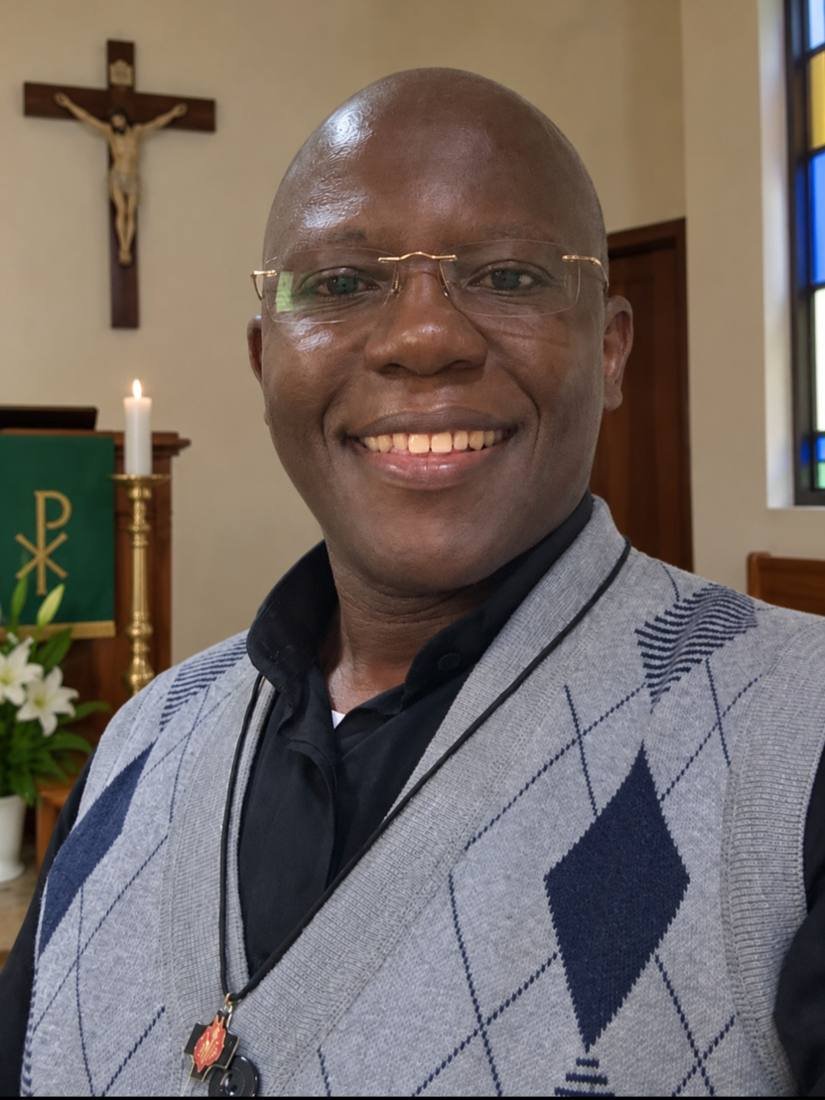
A formation house is first of all worth what those who lead it are worth. In Ngoya, a team of four religious shares responsibility for community life, finances, studies and spiritual accompaniment.



Forming the whole person, not only the mind
People do not come to Ngoya only to learn theology. The Spiritan Rule of Life defines formation as a continual deepening of the apostolic life, under the action of the Holy Spirit, attentive to the heritage of the founders and to the needs of the world (SRL 100). It asks that each one be accompanied in human, intellectual, spiritual, religious and community growth (SRL 104).
The General Chapter of Bagamoyo II, held in 2021, goes in the same direction. Formation must open people to the transformations of the world and include concrete pastoral experiences (no. 109). It must make room for collaboration with lay people (no. 110) and guard against clericalism and individualism (no. 111).
As for studies, classes used to be held at two sites: the Catholic University of Central Africa (UCAC) and the Saint Cyprian Theological School of Ngoya (ETSC). For the harmony of community life, only the ETSC has been kept. The house rule is clear: work well done, discipline and seriousness in student duties, with the community’s help to meet academic demands.
Eight countries, one family
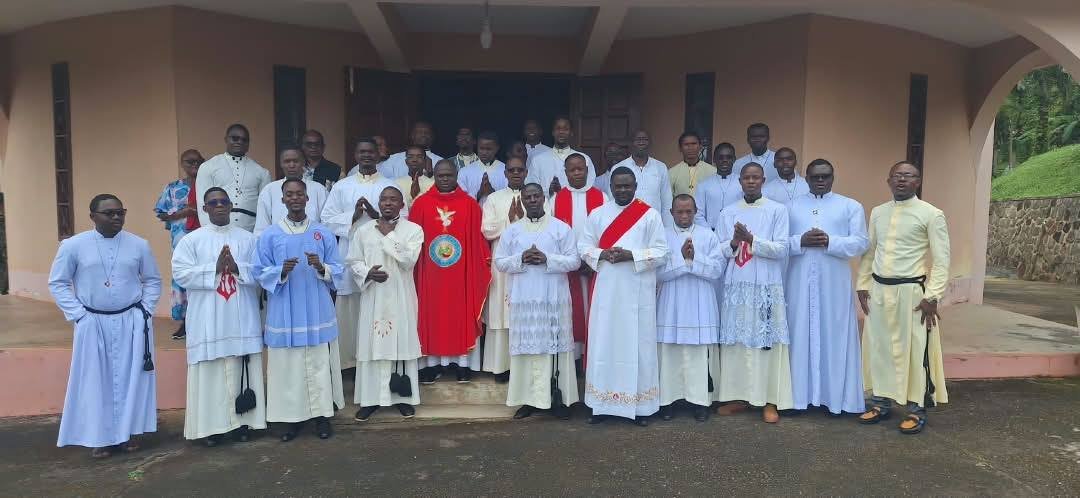
Cameroon, the Central African Republic, Congo-Brazzaville, the Democratic Republic of the Congo, Gabon, the Gambia, Madagascar, Tanzania: the list of countries of origin alone tells the richness of this house. Every day, young men of different languages, cultures and histories pray, study, eat and work together.
This diversity is not decoration; it is a schola amoris, a school where one learns to love the other in their difference. The Spiritan Rule of Life asks that Spiritans be prepared for community life and for encounter between cultures (SRL 141 and 141.1). In an Africa where living together is often wounded by excessive particularisms such as tribalism, ethnocentrism, regionalism and racism, Ngoya offers a prophetic witness: it is possible to be brothers beyond national and cultural belonging.
A house of prayer, study and work
At the entrance of the scholasticate, on the left, stands the chapel. It is the heart of the house: prayer and discernment there give direction to studies, to fraternal relationships and to preparation for missionary service.
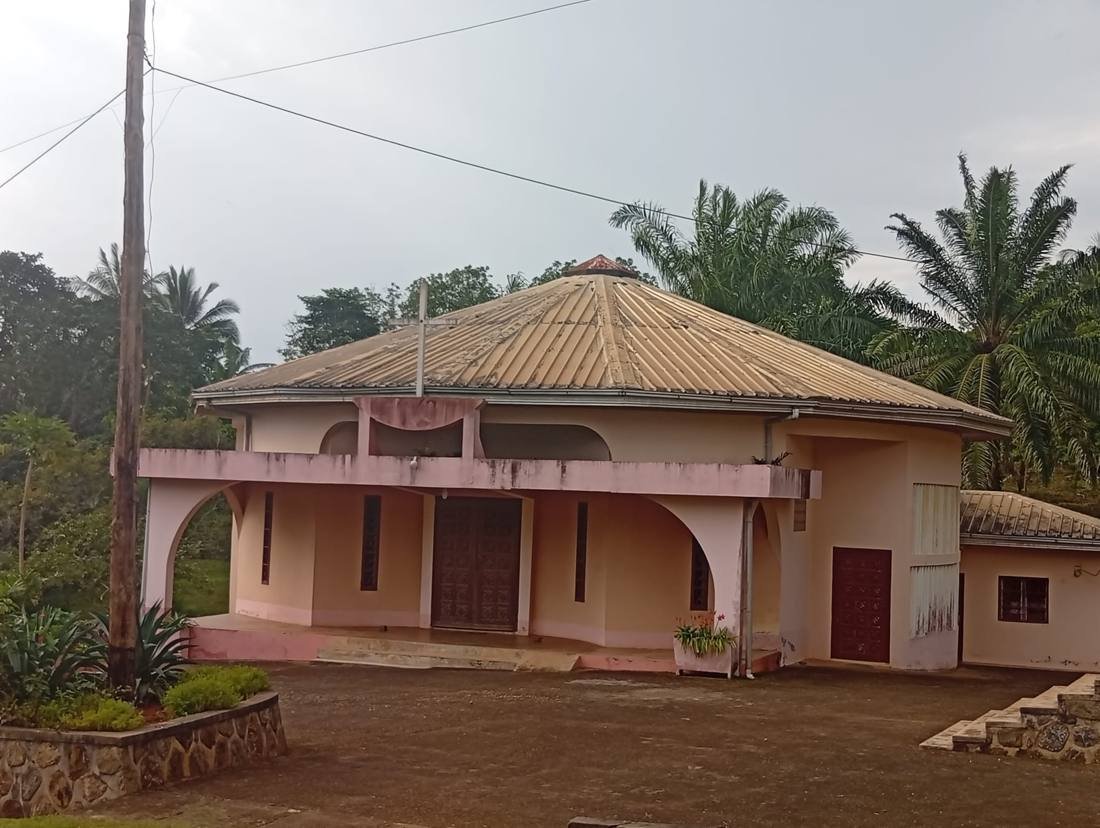
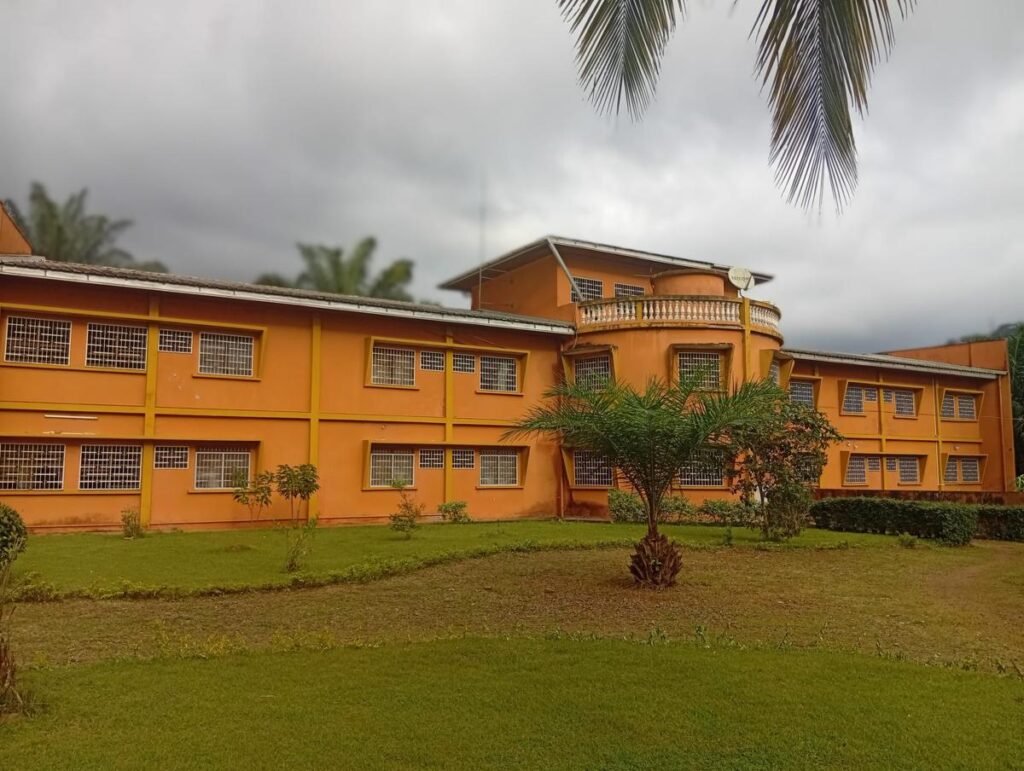
Nearby are the conference hall, buildings A, B and C, the refectory and an outdoor kitchen, surrounded by green spaces. At the far end of the site, a large two-storey building houses bedrooms, the community lounge, the library and a garage.
On the same plot, a poultry house and a piggery complete the facilities. They allow the community to contribute to its own upkeep, in line with the Congregation’s call to move towards self-sufficiency. For future priests, it is also a very concrete apprenticeship in material responsibility.
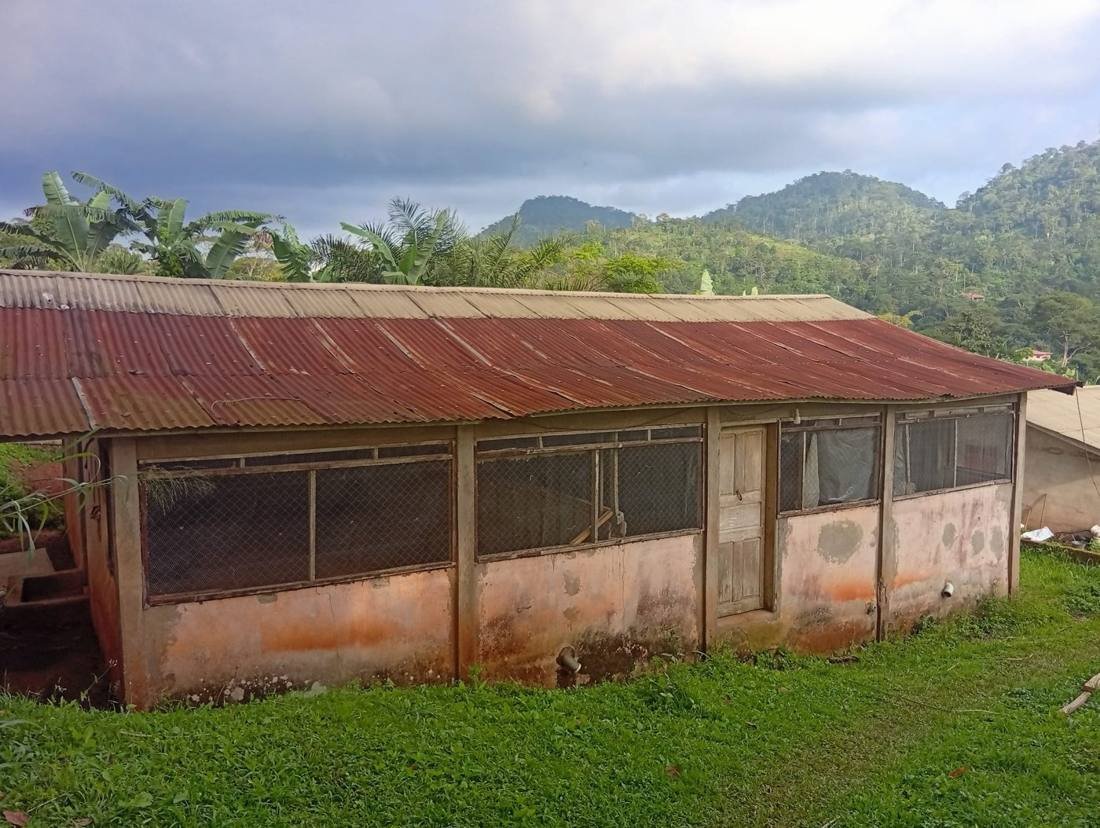
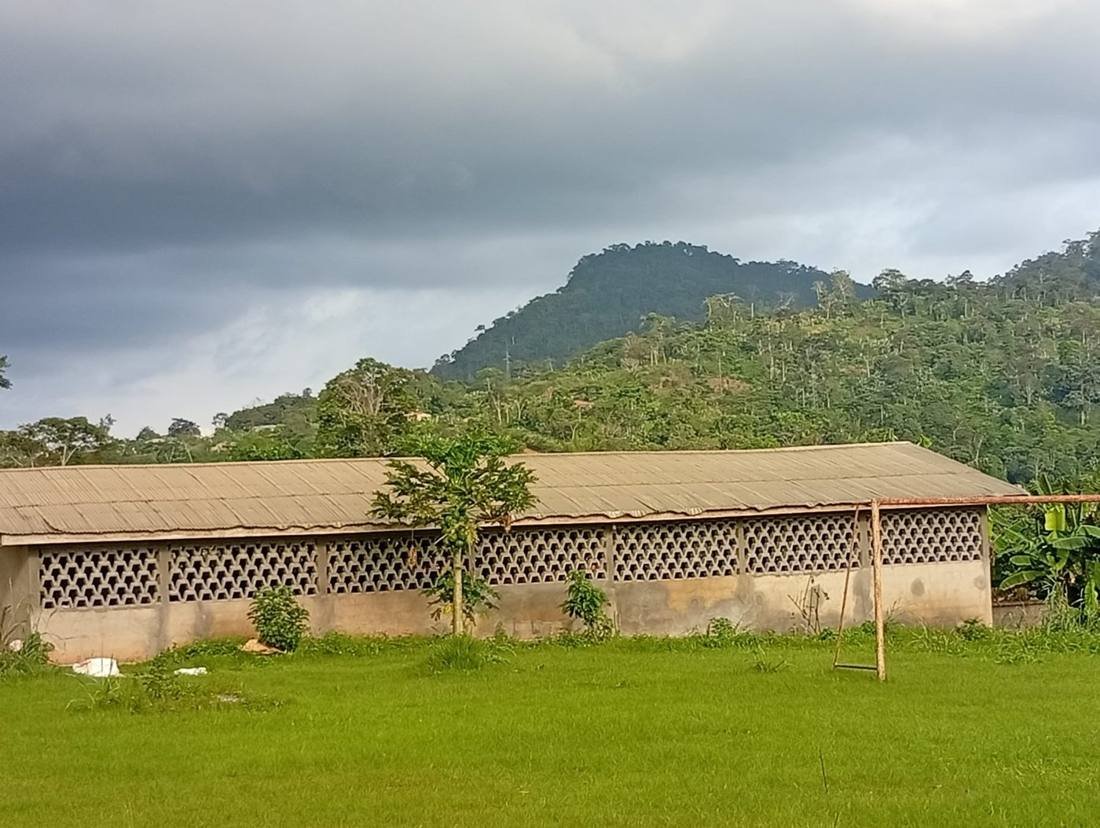
Poultry house and piggery: the community works towards self-reliance.
These buildings also bear the marks of time: rusted iron roofs and walls worn by humidity. Maintaining and modernising them requires means that the house cannot always gather on its own.
Forming a priest has a cost
The annual fee is set at 2,500,000 CFA francs per student, about 3,811 euros. For this year’s 28 scholastics, that comes to 70,000,000 CFA francs, about 106,700 euros. The life of the house and of formation depends on this sum.
It is paid each year by each student’s home province, according to the terms set by UCSAC. But the Spiritan provinces of Central Africa themselves have limited means. The General Chapter of Bagamoyo II recognises this: it asks circumscriptions to ensure adequate funding for formation houses (no. 126), to seek new sources of income (no. 134) and to show solidarity with the smallest and poorest circumscriptions (no. 133).
In other words, the formation of these young missionaries cannot rest on the strength of the Congregation alone. It needs the whole Church.
An appeal for generosity
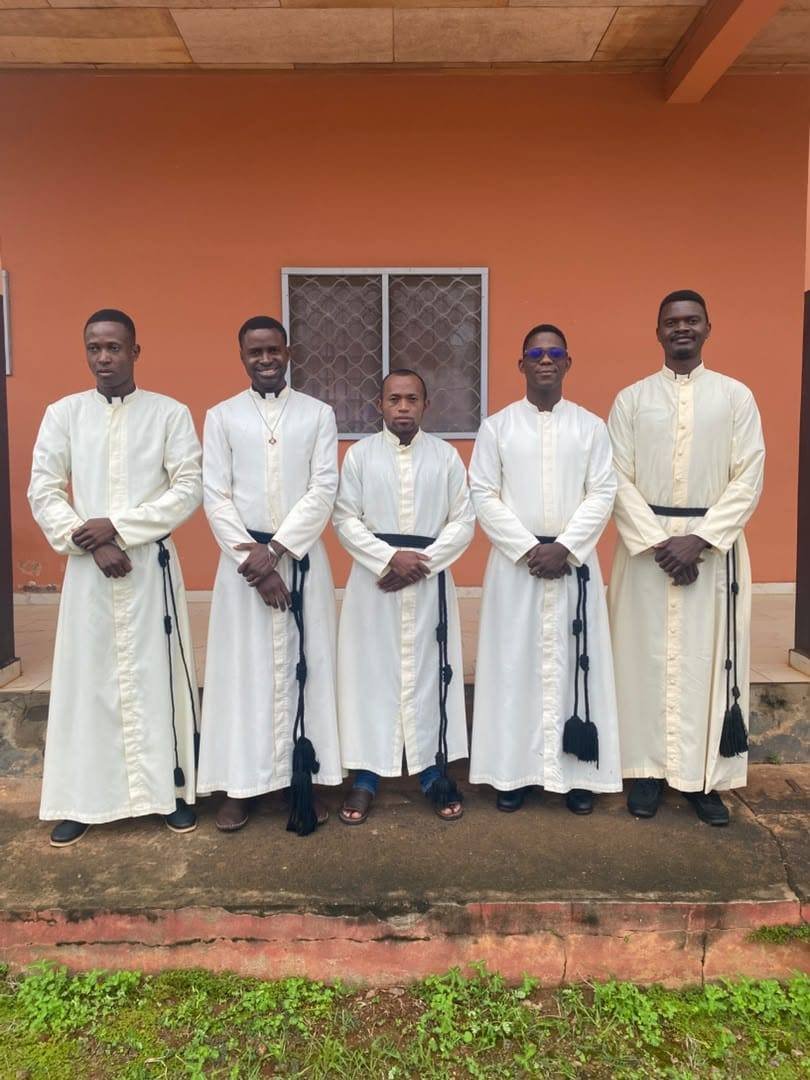
Tomorrow the 28 young men of Ngoya will be priests in parishes, schools, chaplaincies, refugee camps and the peripheries to which Spiritans are sent, in Africa and around the world. What they receive today in Ngoya, they will give tomorrow to thousands of people.
That is why the Theologate appeals to all the faithful, to parishes, religious communities, associations, businesses and all people of goodwill. Everyone can help according to their means:
- Sponsor a scholastic by covering all or part of his annual fee (2,500,000 CFA francs, about 3,811 euros).
- Make a donation, however modest, for the daily life of the house.
- Support a concrete project: renovation of the buildings, books for the library, development of livestock farming.
- Pray for vocations and for the community of Ngoya.
To support the formation of future Spiritan priests in Ngoya, contact the Rector, Fr Paul Venance Ntambwe, C.S.Sp., on WhatsApp at +243 821 801 479.
Supporting Ngoya means sowing today for tomorrow’s mission.
Leave a comment