A Spiritan priest working in the Archdiocese of Ndola explains how Catholics, Christians of other denominations, and Muslims in Zambia are collaborating on drought relief, child protection, youth skills, and care for creation — and why dialogue should come before problems arise.
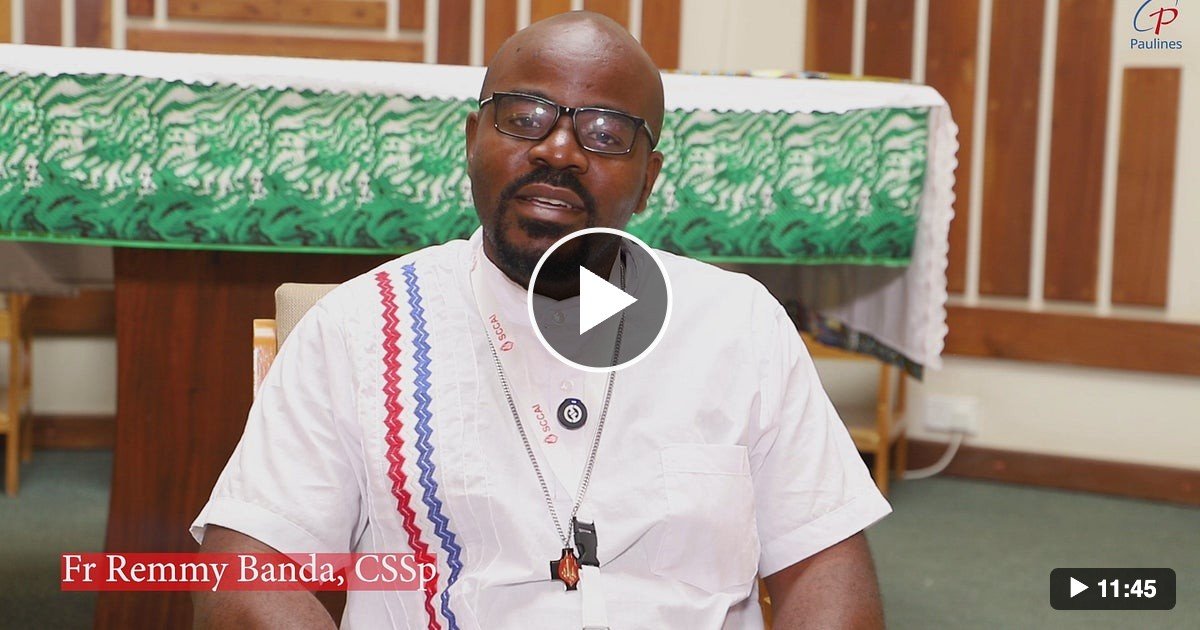
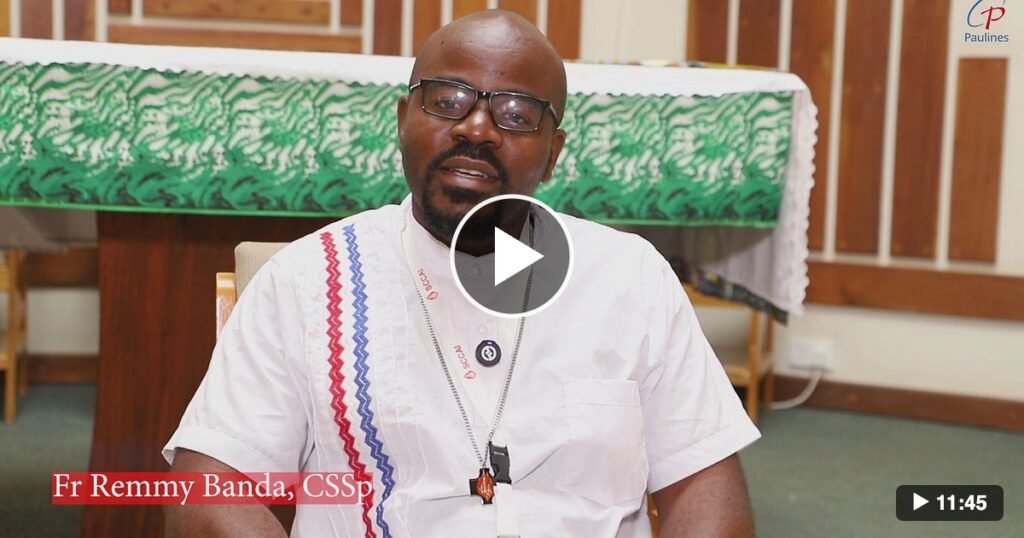
For Fr Remmy Banda, faith should be a unifying force, not a source of division. He states, “There is more that brings us together as human beings than what divides us.”
Fr Remmy, a member of the Zambia Spiritan Group, serves in the Archdiocese of Ndola. He recently participated in the SCCAI Interfaith Dialogue Workshop in Nairobi, held from 6 to 10 September 2026. The Spiritans in Zambia operate across four dioceses: Livingstone, Monze, the Archdiocese of Lusaka, and the Archdiocese of Ndola.
His work encompasses three key areas: child protection; justice, peace, and integrity of creation; and interfaith dialogue.
Side by Side in Times of Drought
In most areas where the Spiritans work, dialogue primarily involves ecumenism—engaging with Christians from other denominations. However, in Monze Diocese, particularly in Pemba District, Muslim communities live in close proximity.
Here, Catholics and Muslims collaborate on humanitarian relief efforts, such as assisting families affected by drought. Fr Remmy observes, “We acknowledge what our brothers and sisters do to help the communities where they are present. In those areas, we collaborate, coexist, and work hand in hand.”
He notes that this cooperation has been met with no resistance, as shared service to those in need has proven to be common ground.
Christians Working as One
Where other faiths are less prevalent, the Spiritans partner with Christians of other denominations on various common projects. These include environmental protection, safeguarding minors and vulnerable adults, and community development initiatives such as sanitation, water supply, and education.
Fr Remmy connects this work to the Church’s synod on synodality, emphasising that “walking together” extends beyond internal Church life to “people whom we live with in the same community.”
From “Fire Brigade” to Prevention
One particular idea from the workshop resonated with him: a presenter’s description of how communities often adopt a “fire brigade” approach, acting only after a problem has emerged.
The workshop, Fr Remmy explains, equips participants with tools to be proactive. By being aware of potential tensions arising from denominational or faith differences, leaders can engage their neighbours early.
He states, “We mitigate already the possible occurrence of such issues and ensure that there is continued coexistence, peace, and harmony as we promote the common good for all of us.”
Young People at the Centre
Young people are actively involved at every level, and programmes are open to all faiths and denominations.
Entrepreneurship. Workshops bring together young people from different churches to develop self-sustaining skills. Fr Remmy notes, “It is a thing that affects all of the youths.”
Child Protection. Sessions help young people identify risks and understand how to report abuse and violence. This is particularly crucial in communities he describes as “so closed up and not ready to speak out on such issues.”
Tree Planting. A forthcoming campaign will mobilise young people to plant trees and learn about conservation in an area where extensive tree-cutting has been observed.
The Work Still Ahead
Fr Remmy is frank about the challenges. Among Christian churches, the most difficult aspect is agreeing on a common annual programme.
Currently, they primarily unite around national events and shared feasts. Youth Day brings young people together for celebration and learning. At Easter, churches hold a common Way of the Cross on Good Friday and mark Palm Sunday at the start of Holy Week. Catholic-led development work on sanitation and water supply also attracts participation from other denominations.
Beyond these specific moments, engagement is more difficult, perhaps due to each church’s focus on its own activities. The current aim is to plan joint activities for the year well in advance.
Love as the Foundation
When asked what he would convey to observers, Fr Remmy reiterates his core conviction.
“Our faith should not be a cause for division. Our faith should foster unity among us, reasons to work together. We who profess belief in God, a God who is love, should ensure that we take love as a foundation for our engagement in promoting the common good of all humanity.”
The Spiritan Conference of Circumscriptions of Africa and the Islands (SCCAI) extends its wishes for a fruitful ministry to Fr Remmy in Zambia.
Watch the full 11-minute-45-second video and read the original article on Substack.
Leave a comment