

Introduction
When there is a bug in the operation of a computer, it causes a malfunction. In the field of computing, there are many types of bugs with different levels of impact on functionality. In a number of cases, a computer with a bug can still work when switched on, but its operation will incline towards yielding results that are erroneous.
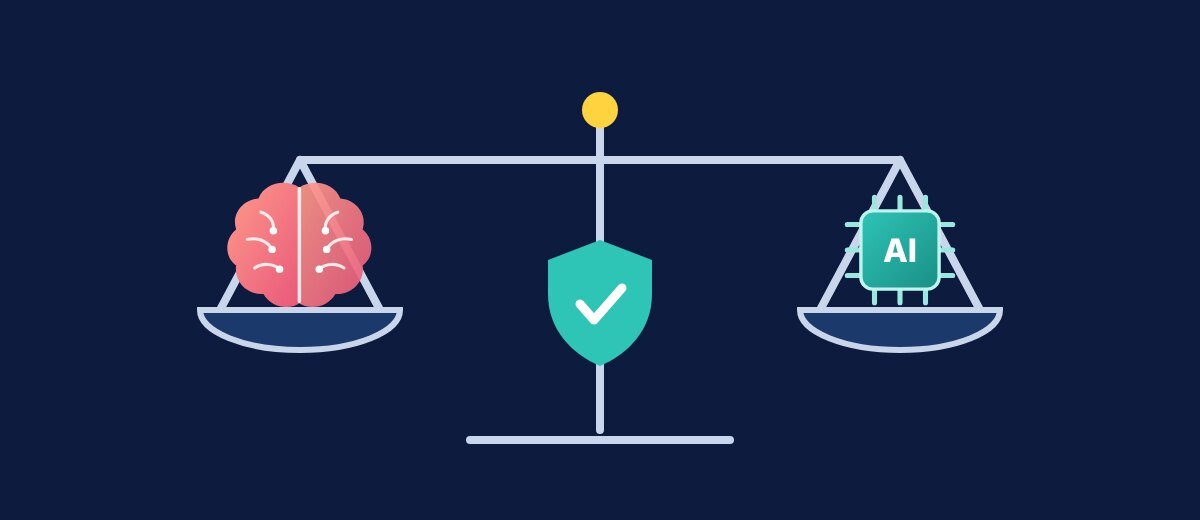
The brain is a computer of a sort, according to the field of computational neuroscience. Cognitive science and the computational theory of mind also lend their support to this view. In a meaningful way, then, the operations of the human brain can be discussed using terms found in the world of computing.
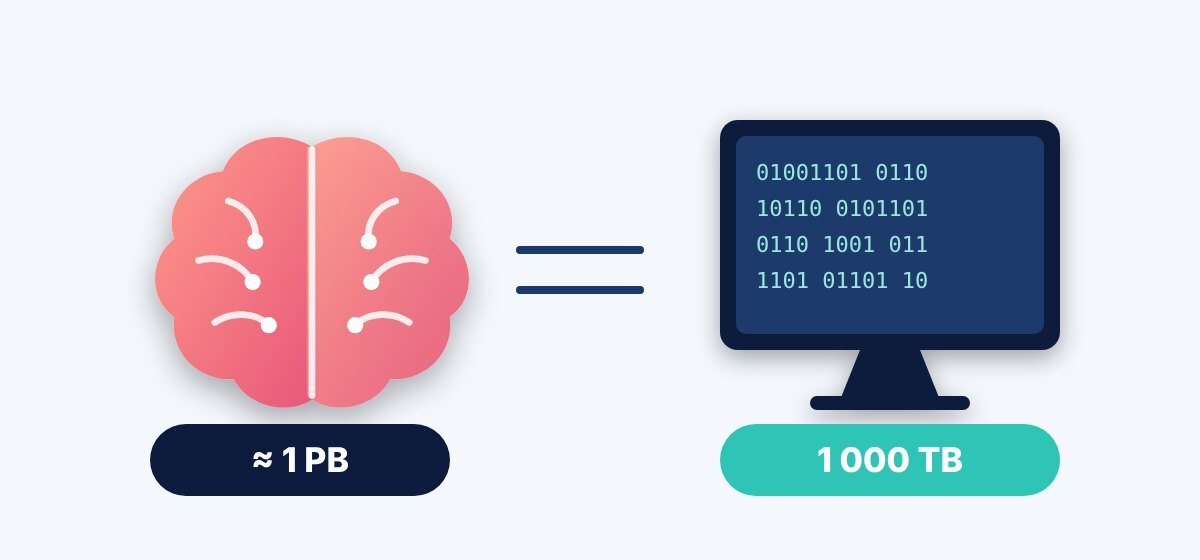
Researchers at the Salk Institute for Biological Studies, California, United States say that the human brain’s storage capacity is now estimated to be around 1 petabyte (about 1,000 terabytes), which is massive enough to contain a big portion of the Internet. However, our individual day-to-day methods of storing and retrieving information from the brain go with different dynamics because storage capacity is not the same as memory power. How much information one can actually store and access in the brain is seriously limited by a whole range of factors such as the biological, the environmental, and the psychological. Furthermore, although it is flooded with millions of bits of information every second, the brain aggressively filters and selects for use only information that is relevant for the effective operation and survival of the person as a living member of society.
The Social Media Bug
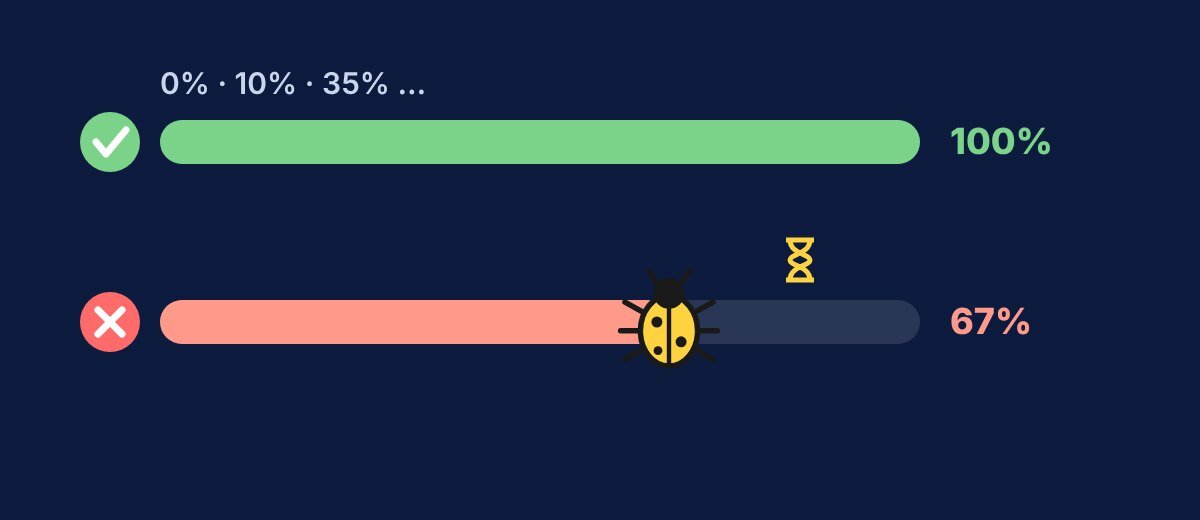
When there is a bug in the operation of the human brain, the affected person becomes cognitively impaired. The person can still think, but the thinking will not be rounded, and actions generated from that will be socially disruptive. Liken this to when you are installing a programme in a computer and it counts from 0% to 10% to 35% and onwards until 100% showing full loading. With full loading, the system functions very well. But if the installation got to, let’s say, 67% and hangs due to a bug, the system cannot function optimally, and its performance will be disruptive to your technical or social needs.
When credible research says that social media affects mental health, it is saying that social media is a bug that people should raise a concern about due to its effects on the affected individual and on society. The social media bug (SM bug) refers to a state of decline in normal cognitive powers as a result of an undue level of social media use, and this includes an attachment to smartphones and digital devices that provide exposure to social media, as well as dependence on the related algorithms of artificial intelligence for mental tasks that the human brain is capable of doing without AI.
The SM bug is the reason a good number of young people are distracted from life, unlike when older generations were at their ages. You find many of these young people busy scrolling on their phones while real life scrolls past them. Such SM-bugged youths can readily go into all kinds of character-inconveniencing and socially disruptive actions in the name of content creation or catching fun on social media, including those random vacuous dances that have become popular on TikTok.
When the number of people affected by the SM bug is massive, their behaviours, which are characteristically socially disruptive and character-inconveniencing, become a culture, and that culture becomes the norm into which newer generations are born. As a culture, many young ones do things just because “others are doing it” rather than because they carried out any cognitive assessment of the activity and found it meaningful and relevant to their pursuit of a successful life. This state of affairs can, in a sense, be described as a socio-pandemic.
Interventions to Curb the Social Media Bug
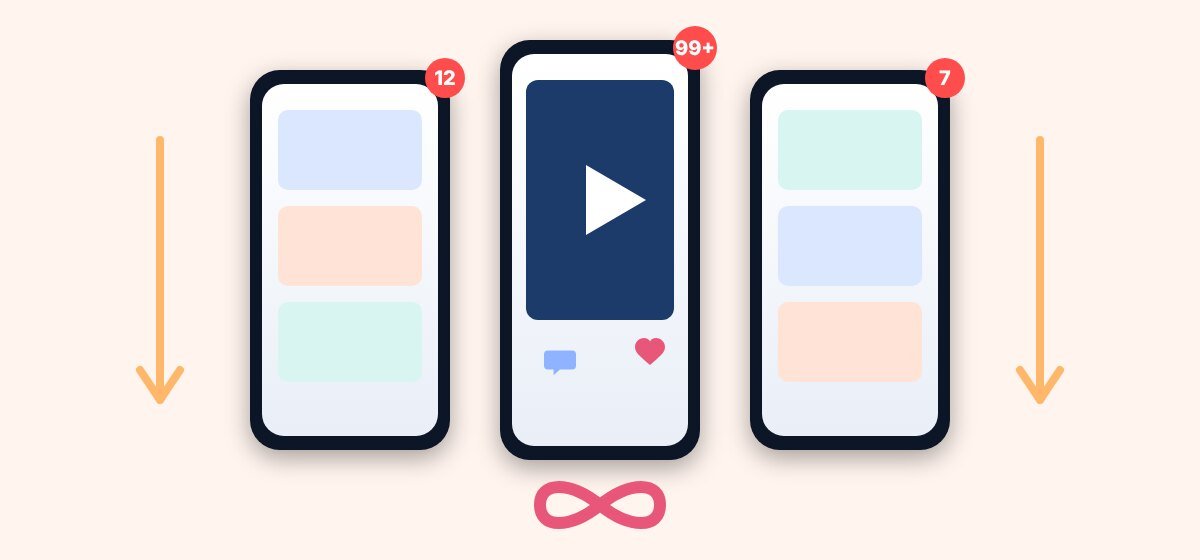
The Australian government stepped forward and became the first national government to respond to the social media bug by placing a ban on children under the age of sixteen from using social media. The reason given for the policy was that the contents of social media affect mental health and wellbeing, such as the addictive algorithms that entrap youths to spend more time on screens (infinite scrolling), cyberbullying, cyberfraud and exposure to online predators. The ban came into force on December 10, 2025 and it directed Facebook, Instagram, Snapchat, Threads, TikTok, X, YouTube, Reddit in addition to Kick and Twitch which are streaming platforms to prevent under-16 year olds from creating or keeping accounts and to deactivate existing ones. Some people later called for gaming sites like Roblox and Discord to be included in the ban. The government later clarified that, for serious or repeated breaches of the ban, children and parents would not be penalized, but the offending social media companies could be fined up to A$49.5m (US$32m or £25m).
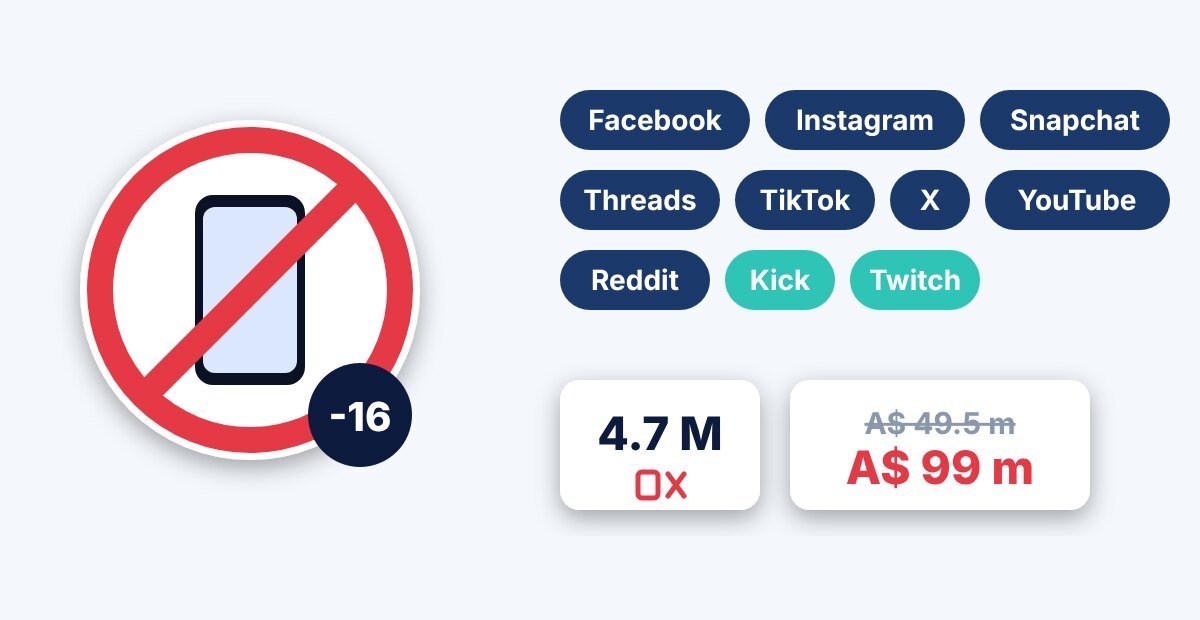
Within one month of the ban, around 4.7 million accounts were deactivated, according to the Australian government. Indeed, humanity has to start from somewhere to save the rest. The expectation was that the governments of other countries would take similar steps. In this wise, the United Kingdom, France, Denmark, Malaysia, New Zealand, China, and Germany reportedly started making moves. Nevertheless, opposition to such bans has been loud and well-funded and, according to Australia’s eSafety Commissioner, over 80% of under-aged Australian children continued to have access despite the ban. In response, as reported by the BBC on June 27, 2026, the Australian government has doubled down on the social media ban by hiking the penalty for any platform in breach of the ban to A$99m (about US$68m or £51.7m) and by compelling social media companies to provide evidence of their level of compliance with the law. In addition, the initiative, “My Feed, My Way,” which was announced in September 2026, required social media companies to offer users the option of opting out of algorithmic-recommended feed in favour of a chronological one. These go to show that when there is political will, any social pandemic can be effectively brought under control.
Conclusion
Technology is an asset to human civilization, but it must be developed and used under controlled circumstances that guarantee the optimal operation of the human brain rather than its decline. This applies to the use of social media and artificial intelligence. Young people must be wary of the social media bug because it is about the quality of the human person and the future of the human race.

Leave a comment