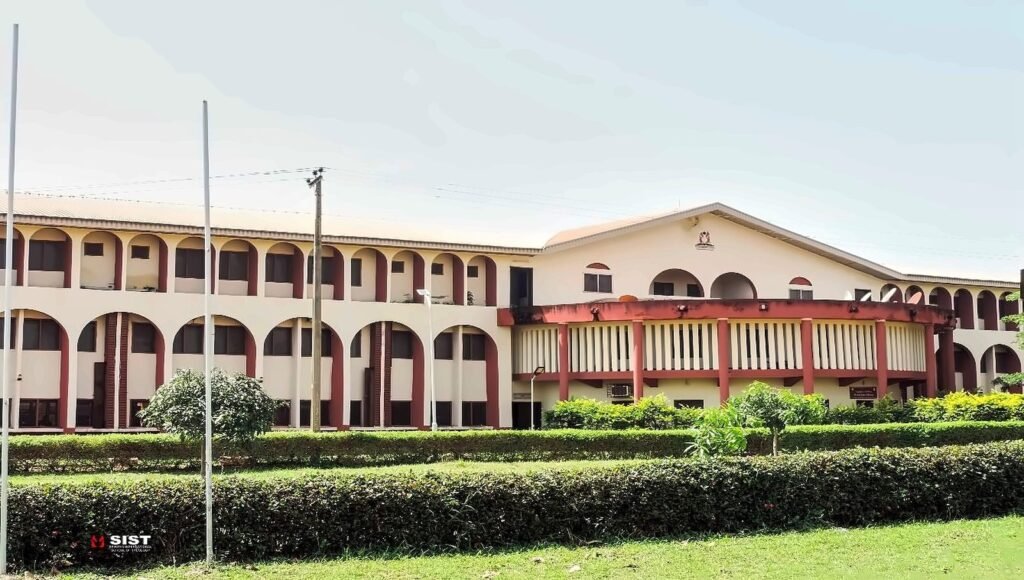
Spiritan International School of Theology and Spiritan International Formation Community, Attakwu – Enugu (Nigeria)
How SIST began
The idea of establishing a theological school for the formation of Spiritan religious missionaries in the sub-region of West Africa was first proposed in September 1983, during a meeting of the Spiritan Major Superiors held in Rome. The meeting was attended by Superiors from the former Province of Nigeria, the District of Kwara-Benue, The Gambia, Ghana, Sierra Leone-Liberia and Senegal. The following year, on 23–24 June 1984, the same Superiors of the West African region met again and decided to erect a regional seminary and school of theology in Enugu. The German Province raised much of the funds with which the General Council financed the project, and the Propaganda Fide in Rome also contributed to the construction.
The Superiors’ decision was informed by the desire to respond positively to the rapid growth of vocations in places such as Nigeria and Ghana. There was a need to devise and implement a formation programme that would effectively address the contemporary demands of mission while taking African realities into account. Being rooted in one’s own culture while having international and intercultural experiences was seen as the most viable way to achieve the goals of inculturation in the Church. Collaboration in staffing and finance within the West African region was considered an advantage in realising this idea.
Once this decision was taken, the Spiritans in Nigeria were mandated to search for a suitable site for the seminary. In 1980 they had acquired a piece of land in the Attakwu community, Akegbe-Ugwu, but it was not big enough for the school they envisaged. After considering many factors and other possible places, the land in Attakwu was chosen, on condition that more acres be added to the existing plots. The successful construction of a bridge along the road was the climax of the road project.
Degrees and affiliations
The first Rector of SIST fought like a lion to establish the school on a sound and solid academic foundation. Since all the students who came to SIST already held a certificate in philosophy, the Rector lost no time in affiliating SIST to Duquesne University of the Holy Spirit, Pittsburgh, for the award of the Master’s degree in Theology. This has been the case ever since.
With new developments came the need for a first degree and an affiliation to a national university in Nigeria. In 1992, the Senate of the University of Nigeria, Nsukka, at its 21st meeting, approved SIST’s application for affiliation to the University for the award of the BA in Religion. The BA programme is accredited by the National Universities Commission (NUC), and the first students graduated with a BA in Religion in 1995. This affiliation has remained in force ever since, and relations between the two institutions are cordial. In 2009, the Governing Council of SIST approved the award of ordinary and higher diplomas in theology by the school.
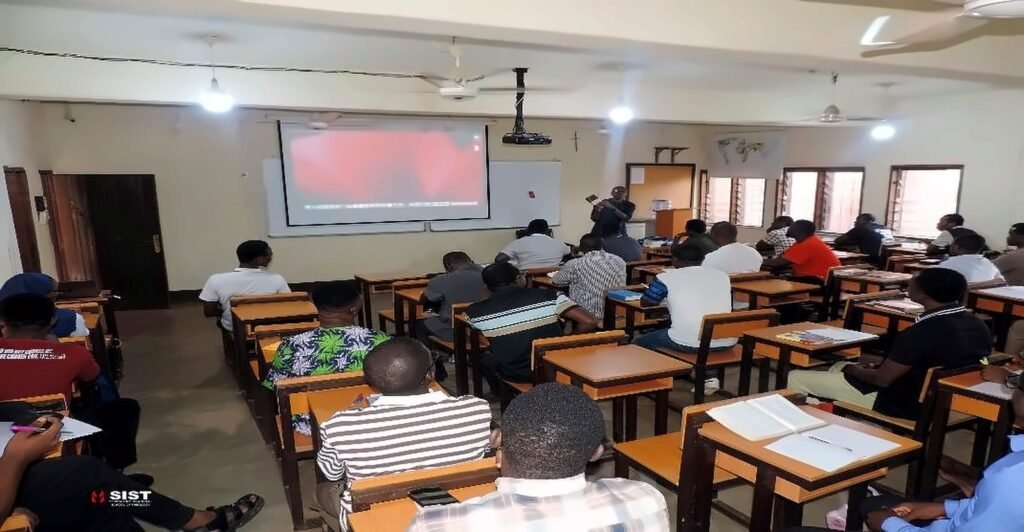
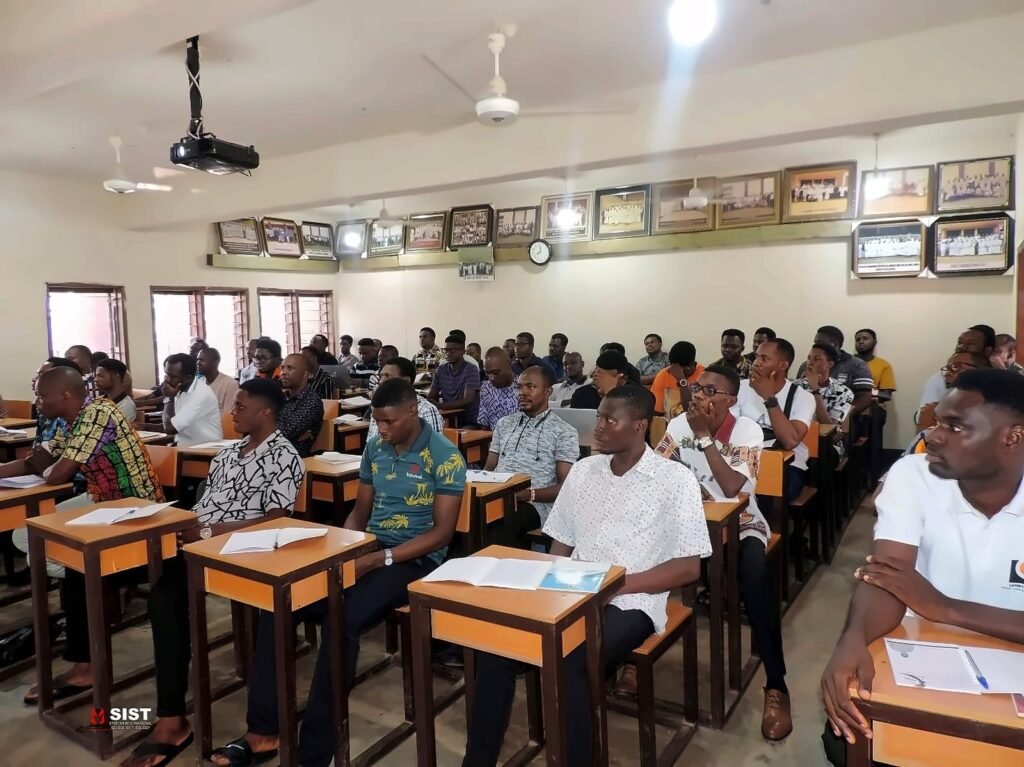
Since 1992, when SIST became affiliated to the University of Nigeria, Nsukka, the study of religion has been part of the history of the Institute. On two occasions the affiliation with UNN was lost, because the National Universities Commission noted that there was no department of religion at SIST.
With the approval of the Governing Council, SIST was organised into departments in September 2019: the Department of Theology, the Department of Religion and Cultural Studies, the School of Postgraduate Studies, and the General and Foundation Studies Unit. Each department and unit has its own head and secretary.
A new road and awards for students
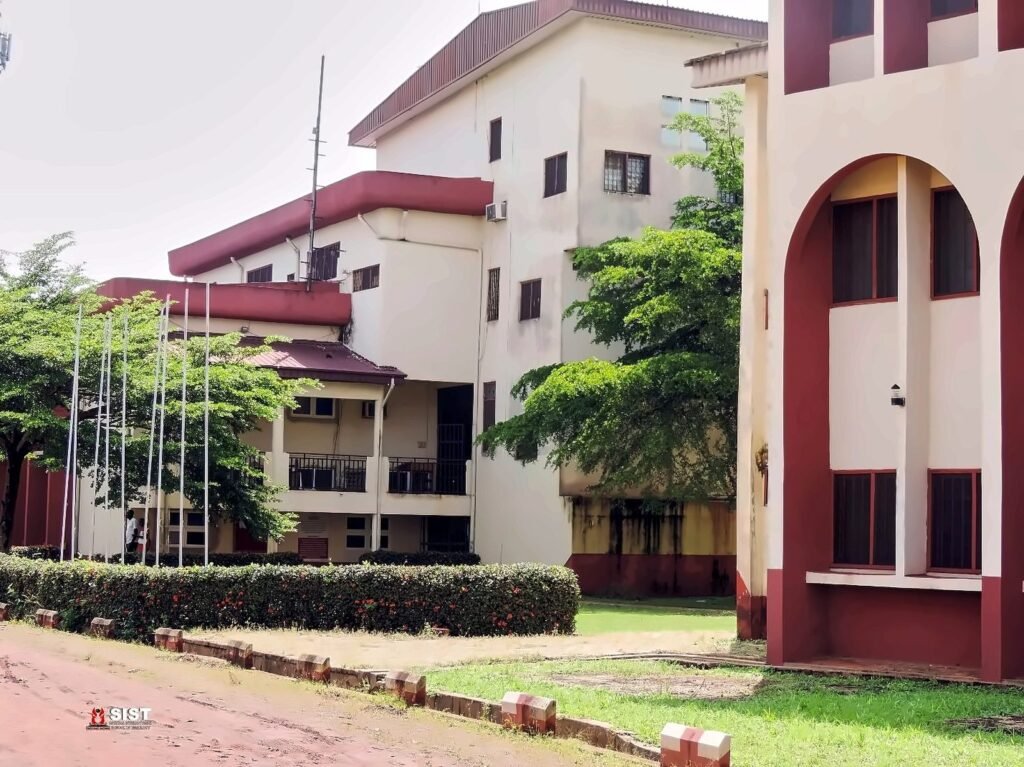
The road that ran through the middle of SIST from the highway served as a thoroughfare for villagers and visitors to the Ndiagu-Attakwu community. This was one of the biggest challenges faced by the Institute, both for security and for the serenity a seminary and an academic environment require. The newly constructed road was officially opened on 14 April 2018 in the presence of representatives of the Enugu State Government, the NTA, the police, the General Council, the UCAWA Superiors, the Ndiagu-Attakwu community, and the Igwe of Attakwu and his cabinet.
SIST has also established a number of awards to motivate and encourage students, both in their studies and in the overall development of the person. The first was the Uzukwu Award for the best graduating student in writing, and the Institute has since established several other awards.
SIFCA: an international and intercultural formation community
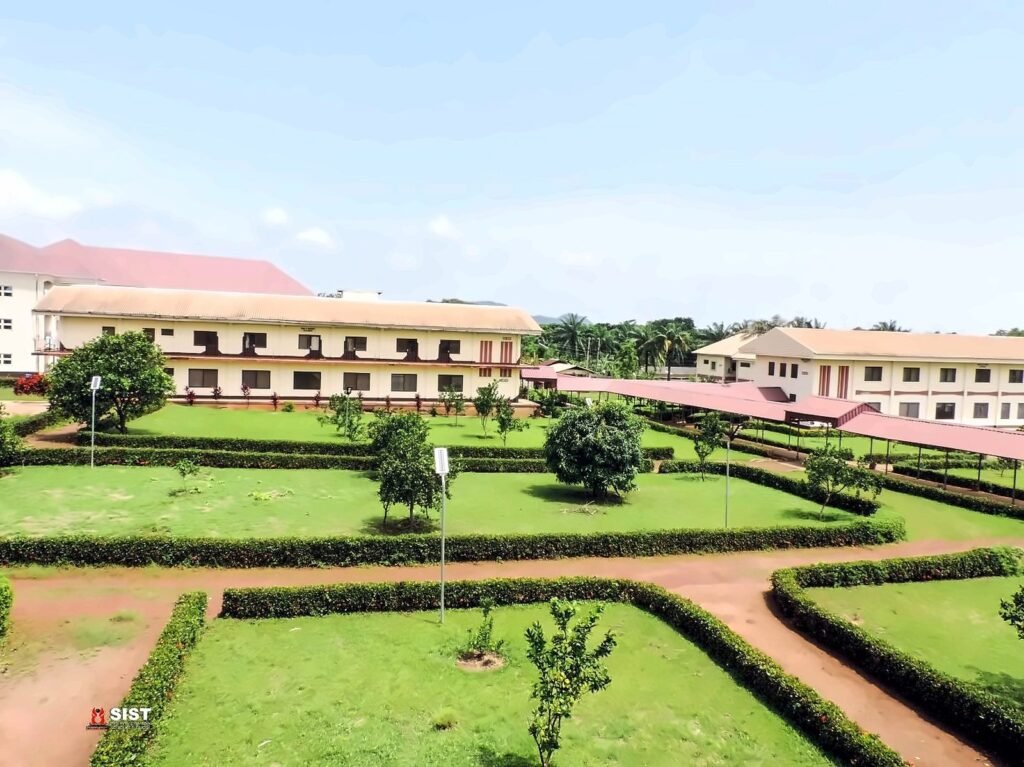
Today, SIST houses the Spiritan International Formation Community Attakwu (SIFCA), where, alongside the academic rigour of the Theological Institute, the Spiritan formation programme is taken care of by the team of formators headed by the Director of Formation.
As an international and intercultural formation community, SIFCA and SIST welcome young confreres from many ethnic groups in Nigeria, as well as young confreres from other nations who study and undergo their initial formation here, among them Ghana, Sierra Leone, The Gambia, Zambia, the DRC, Cameroon, the Philippines, Zimbabwe, Angola, Madagascar and Tanzania. What a Pentecost! We study in the same classrooms, eat from the same pot, drink from the same borehole, work and labour together, and learn from one another, as our young confreres learn how to live in international and intercultural communities.
At SIFCA, the formation team strives to achieve the four dimensions of formation: human, spiritual, academic and pastoral. Our young confreres in formation take part in spiritual exercises, work hard at their studies and carry out pastoral outreach in the Spiritan parishes around.
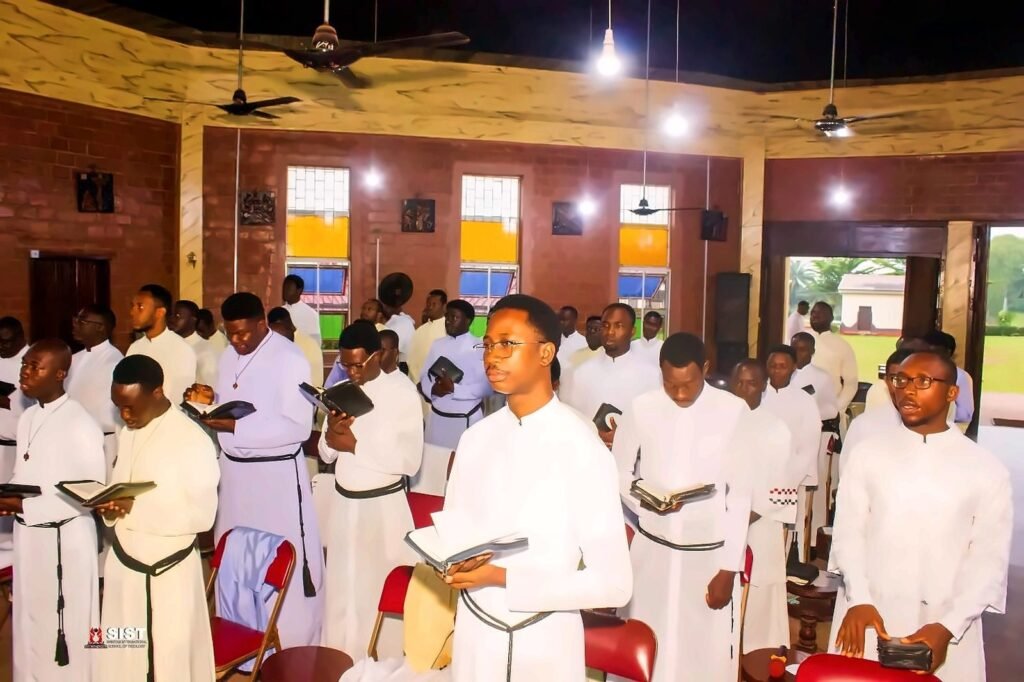
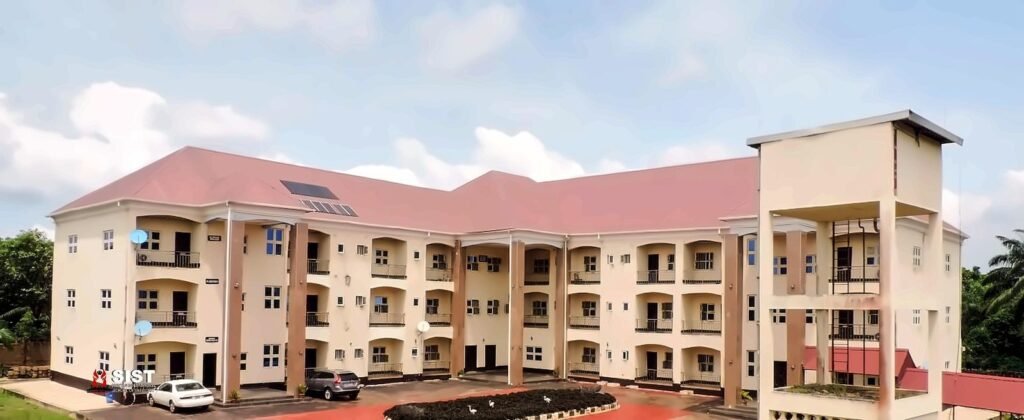
Our young confreres live in hostels, in different fraternity groups. This brings them together for fraternity Vespers and Masses on selected days. Besides the fraternity activities, each led by an assigned priest, SIFCA has appointed accompaniers, each of whom mentors a group of young confreres and meets them regularly, in addition to their individual meetings with the Director of Formation.
Various spiritual exercises are organised for them, such as spiritual direction, confessions, spiritual conferences and other conferences with the Director of Formation. The community superiors animate both the formators and the young confreres in formation.
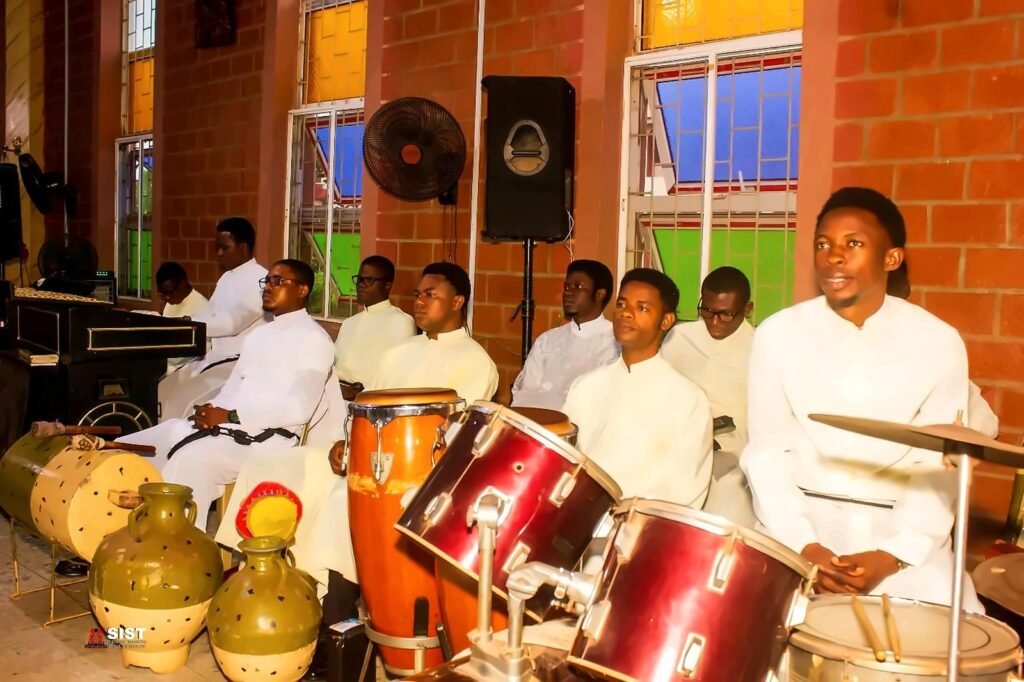
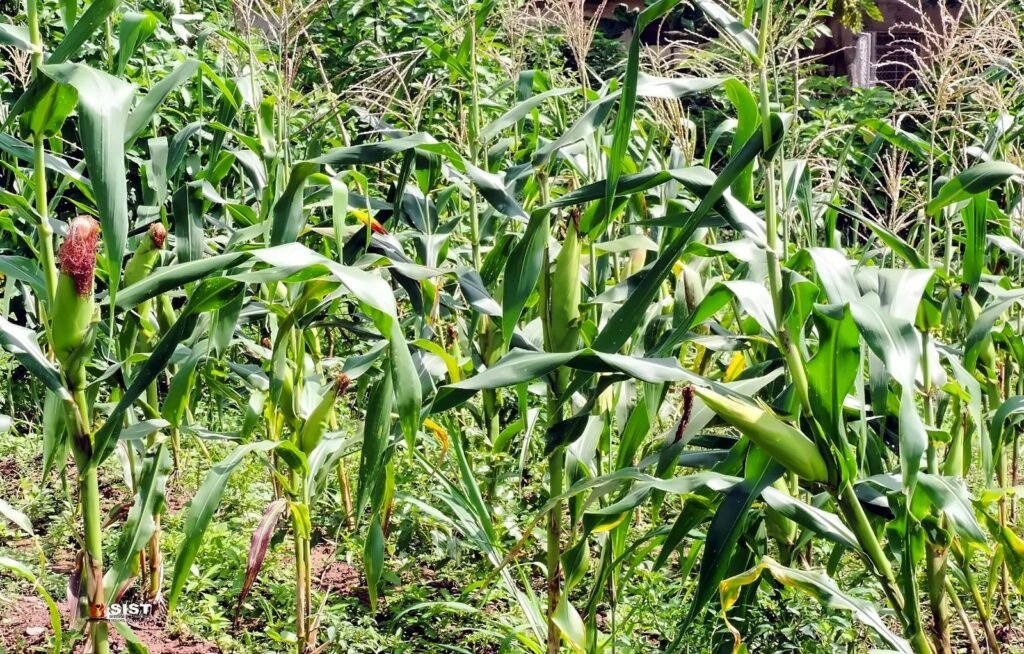
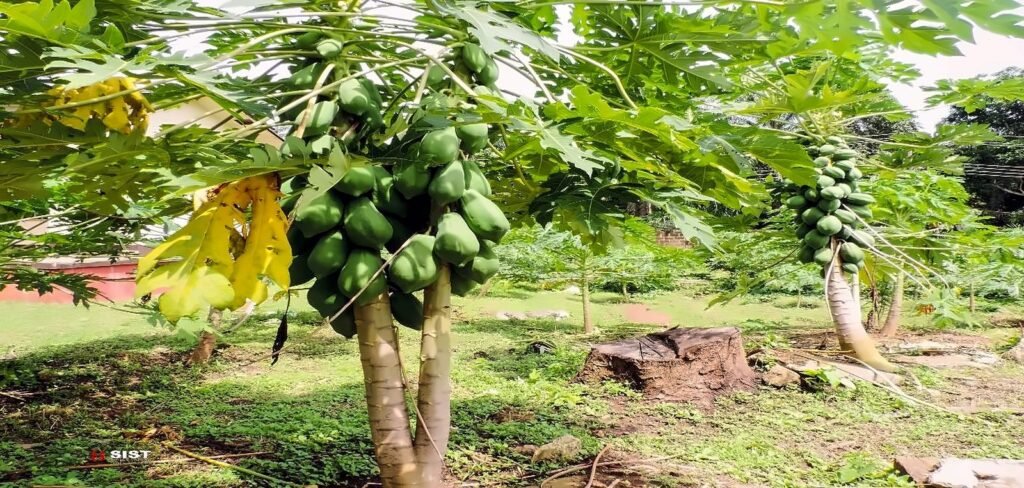
Our young confreres are also encouraged to take an active part in community manual labour on selected days, and in acquiring skills in the arts, social media and self-reliance projects such as poultry, fish ponds, the rearing of domestic animals and others.
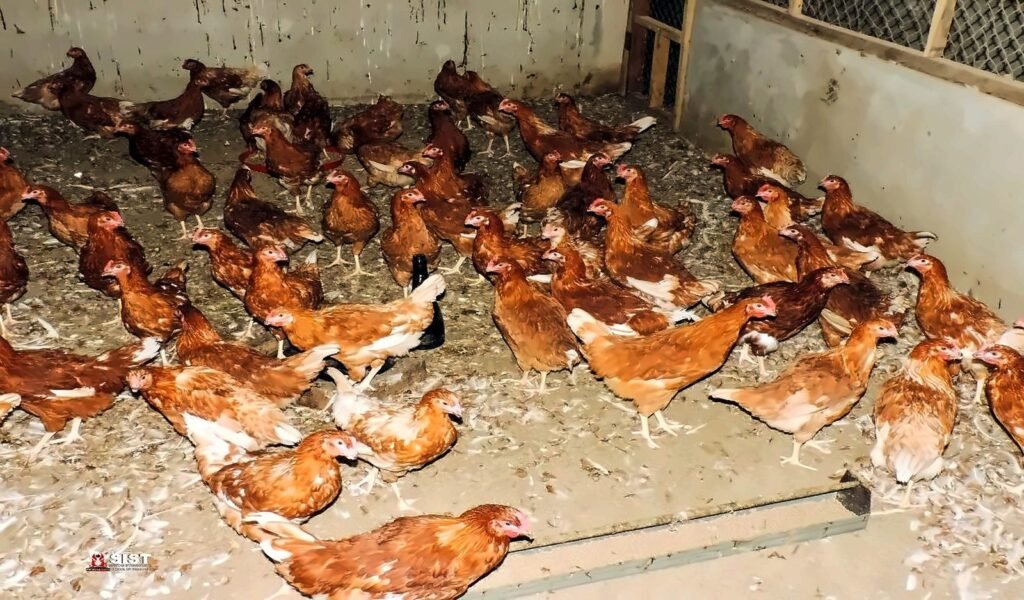
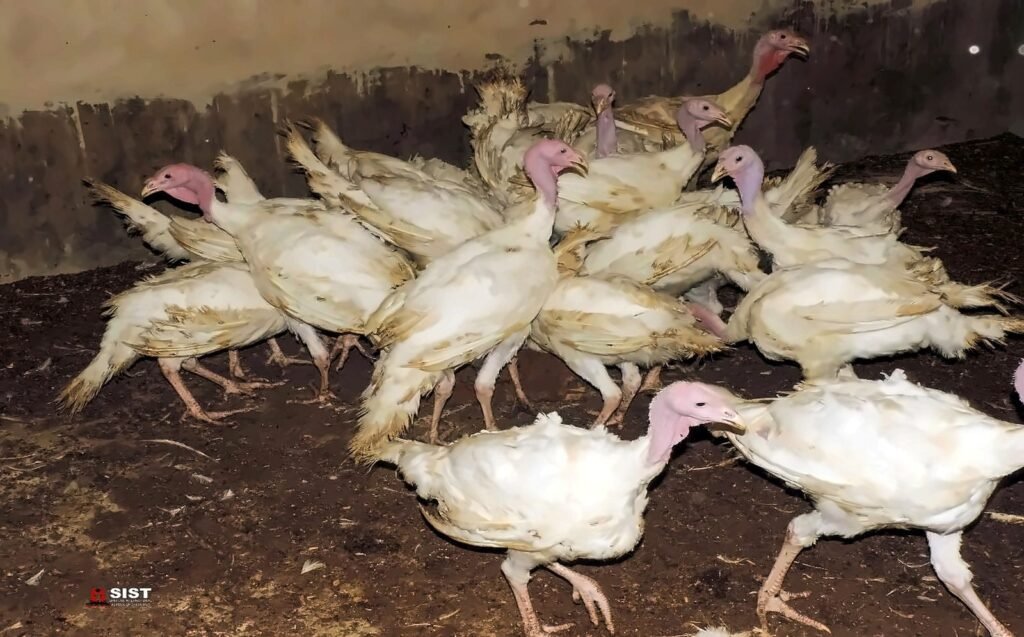
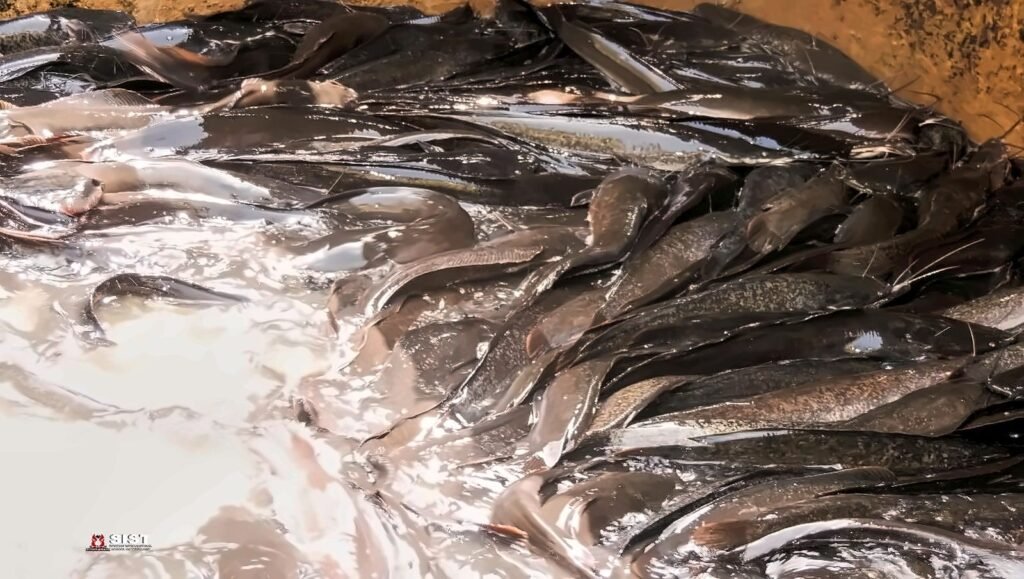
Beyond these particular formation programmes, the general timetable and calendar of events are shaped so as to achieve the purpose of the Guide for Spiritan Formation (GSF), especially in its updated version.
More pictures

Visit us here at SIST and SIFCA, and the rest of the story will be yours!
Thank you, and welcome to SIST and SIFCA!
Leave a comment